
Powered by


SDG Commons

Powered by

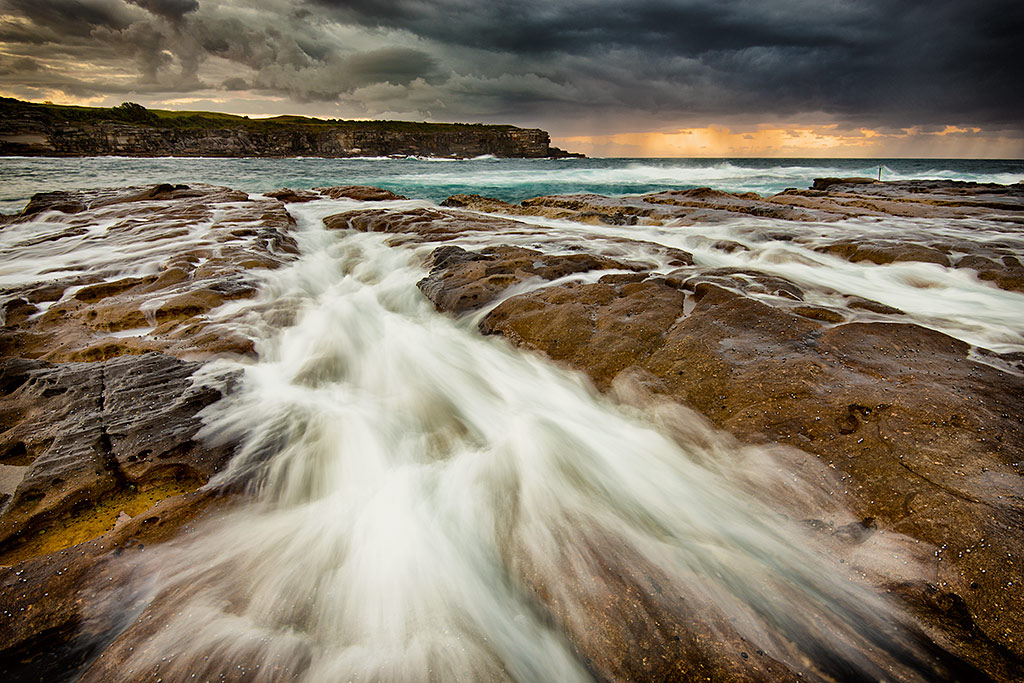
Through its R&D practice, UNDP is exploring new pathways to development that builds on the oceans' bounty, while preserving their environmental balance and their beauty. Photo: Glenn Crouch on flickr.com.

SDG(s)
Sustainable Development Goal(s)
 1No poverty
 2Zero hunger
 3Good health and well-being
 4Quality education
 5Gender equality
 6Clean water and sanitation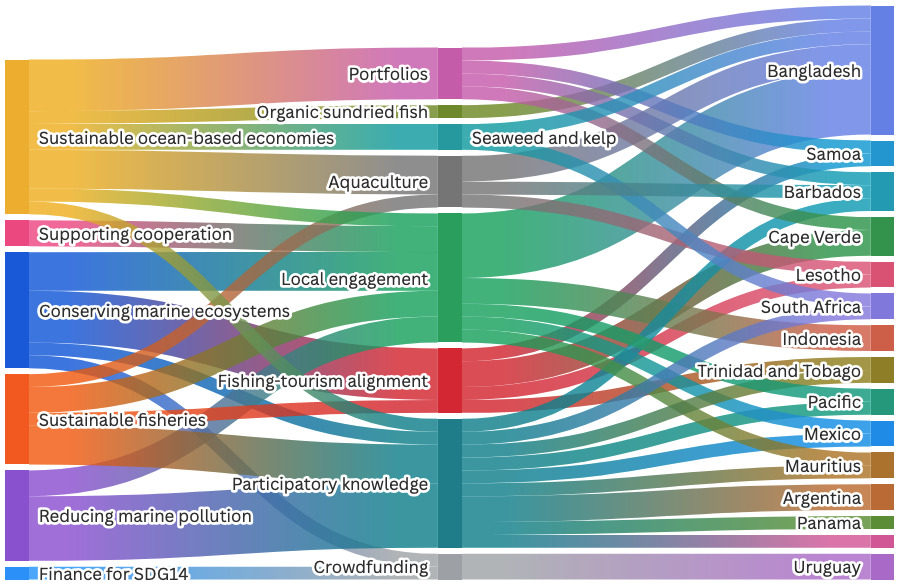
Aquaculture and fish farming. Includes polyculture solutions, where aquaculture is complementary to growing land crops or breeding land animals. Most notes are solutions.

90 Items

The Accelerator Labs' approach to conserving marine and coastal ecosystems is based on collective intelligence and community mobilization. The general thrust is to find business models that align the …
22 Items
Experiments, prototypes and learnings on economic activities can be based on marine environments, without damaging or depleting them.
20 Items
Seaweed and kelp are abundant in nature and rich in nutrients. They have the potential to produce human food and animal fodder with much reduced environmental footprint than land agriculture, animal …
19 Items
The payoffs of initiatives for sustainable development can feel abstract to coastal communities. Whether they aim for the conservation of marine environments (for example, a fishing ban) or for the ad…
16 Items
Marine and coastal ecosystems are inherently complex and resist single-point linear interventions. This body of work is on holistic portfolios of interventions ("blue economy").
15 Items
Effective action to conserve and regenerate marine environments needs up-to-date data and knowledge on their condition. Many local contexts suffer from data gaps. Additionally, that knowledge needs to…
15 Items
The Accelerator Labs' approach to marine pollution relies on filling data gaps and tapping into collective intelligence to get a better overview of the issues in each locale; and on community engageme…
12 Items
A collection of initiatives and reflections about sustainable food from the oceans and food security for coastal and island communities. Does not include the rather large body of works on (1) seaweed …
9 Items
Initiatives to produce and disseminate. oceans-related scientific knowledge Does not include oceans-related citizen science and participatory knowledge, which has its own board.
4 Items
 7Affordable and clean energy
 8Decent work and economic growth
 9Industry, innovation and infrastructure


