DESCRIPTION: What did you observe, or what did people write or say?
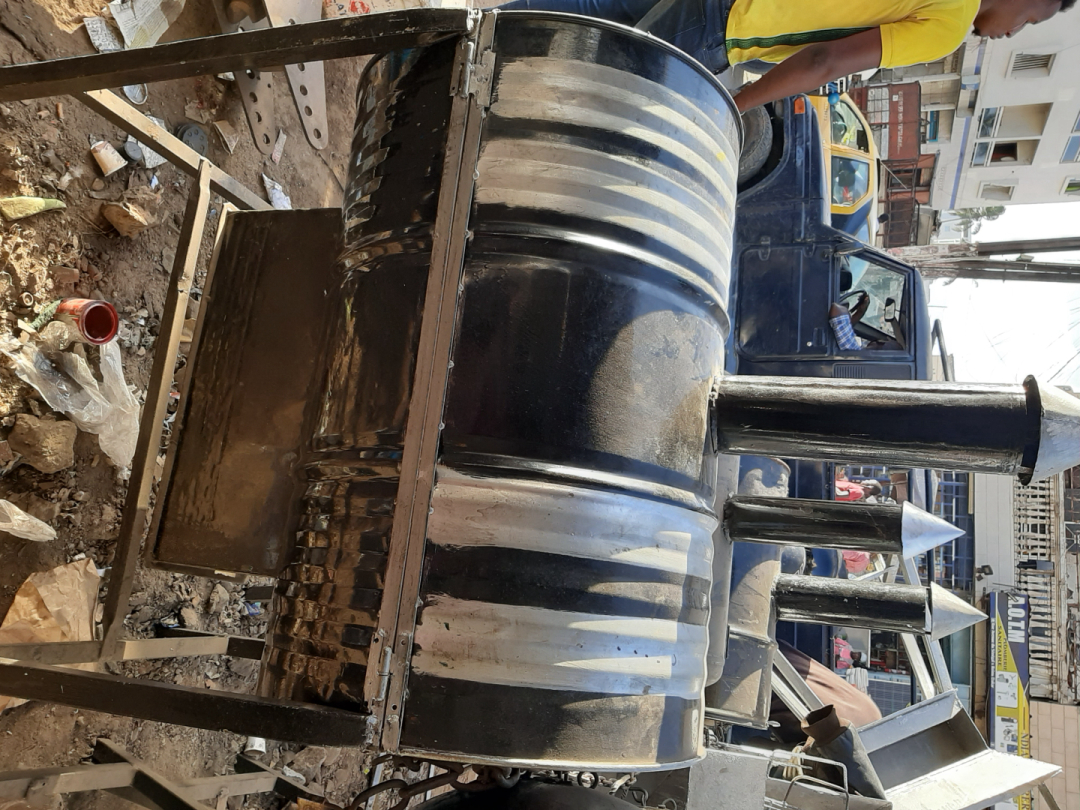
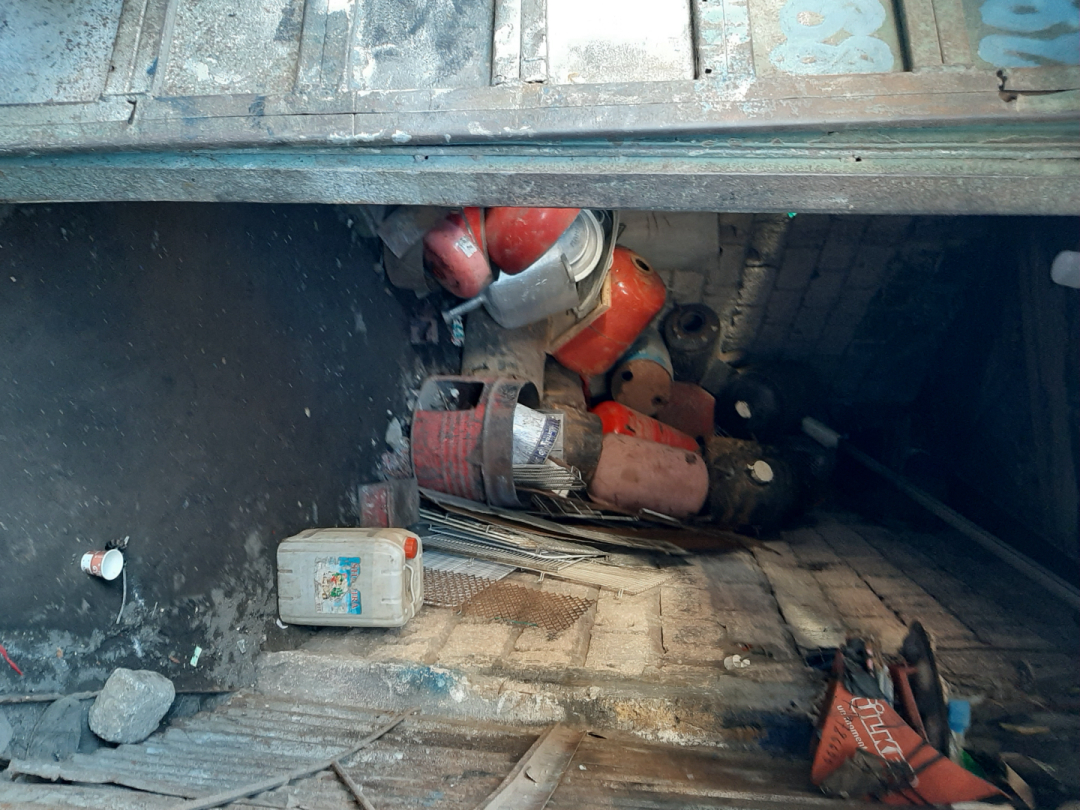
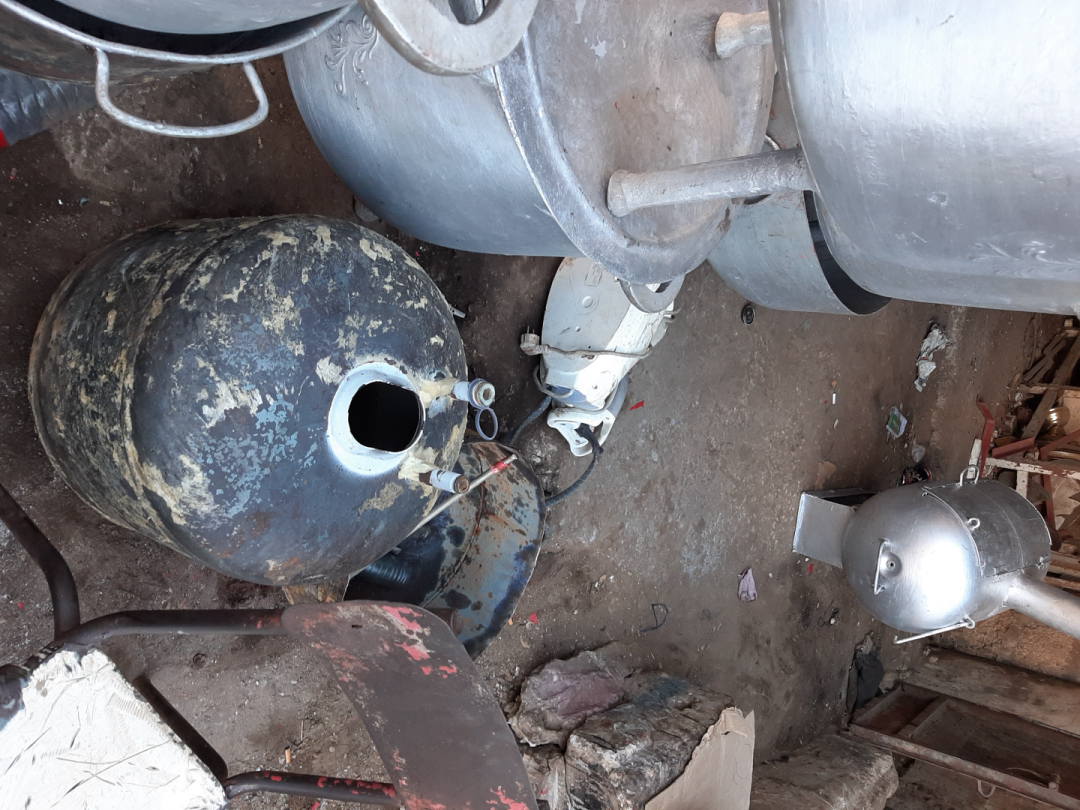
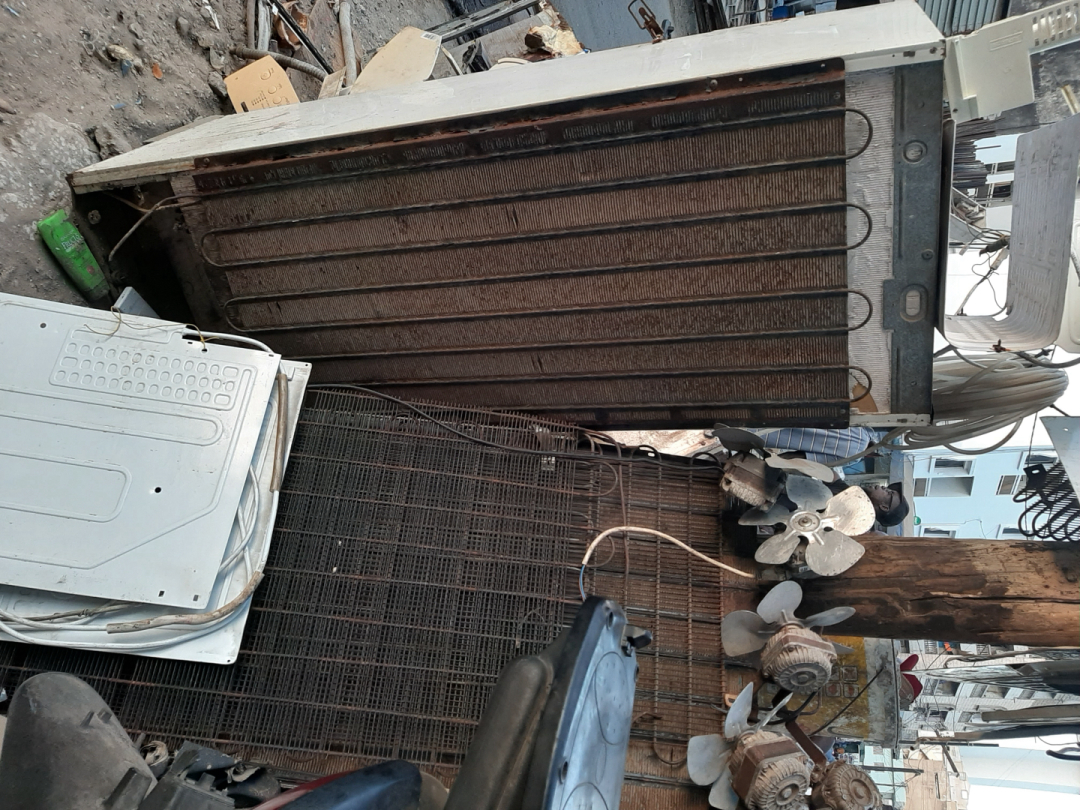
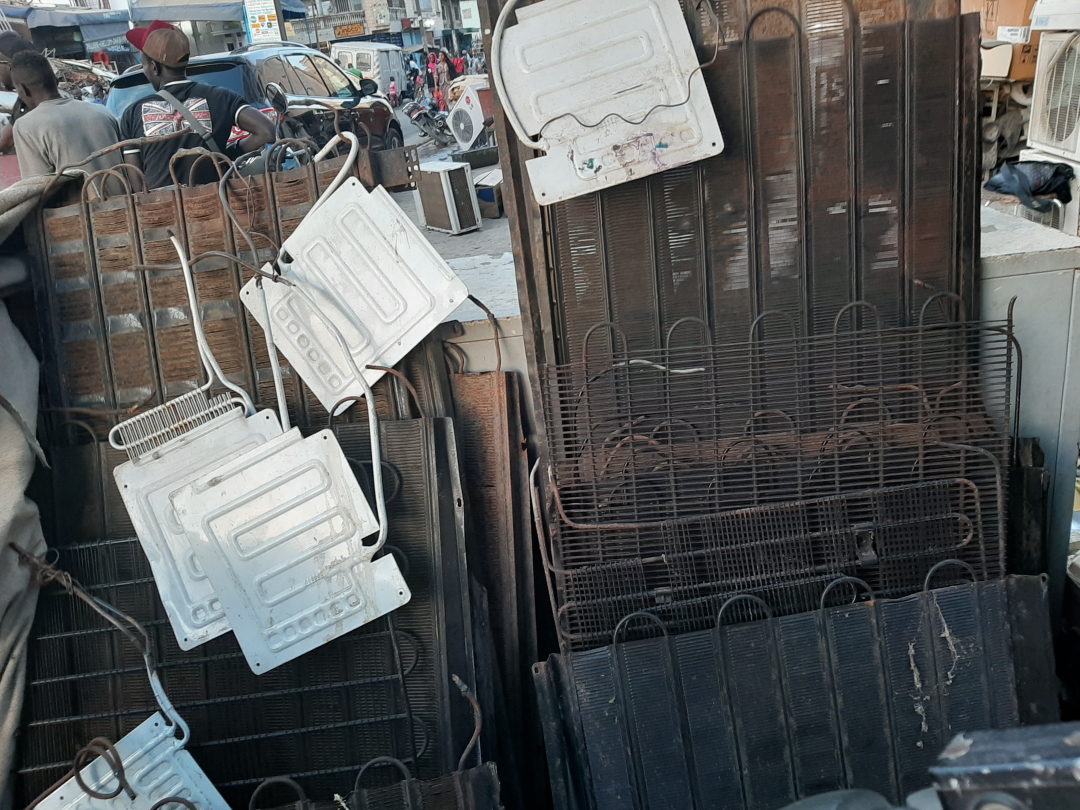
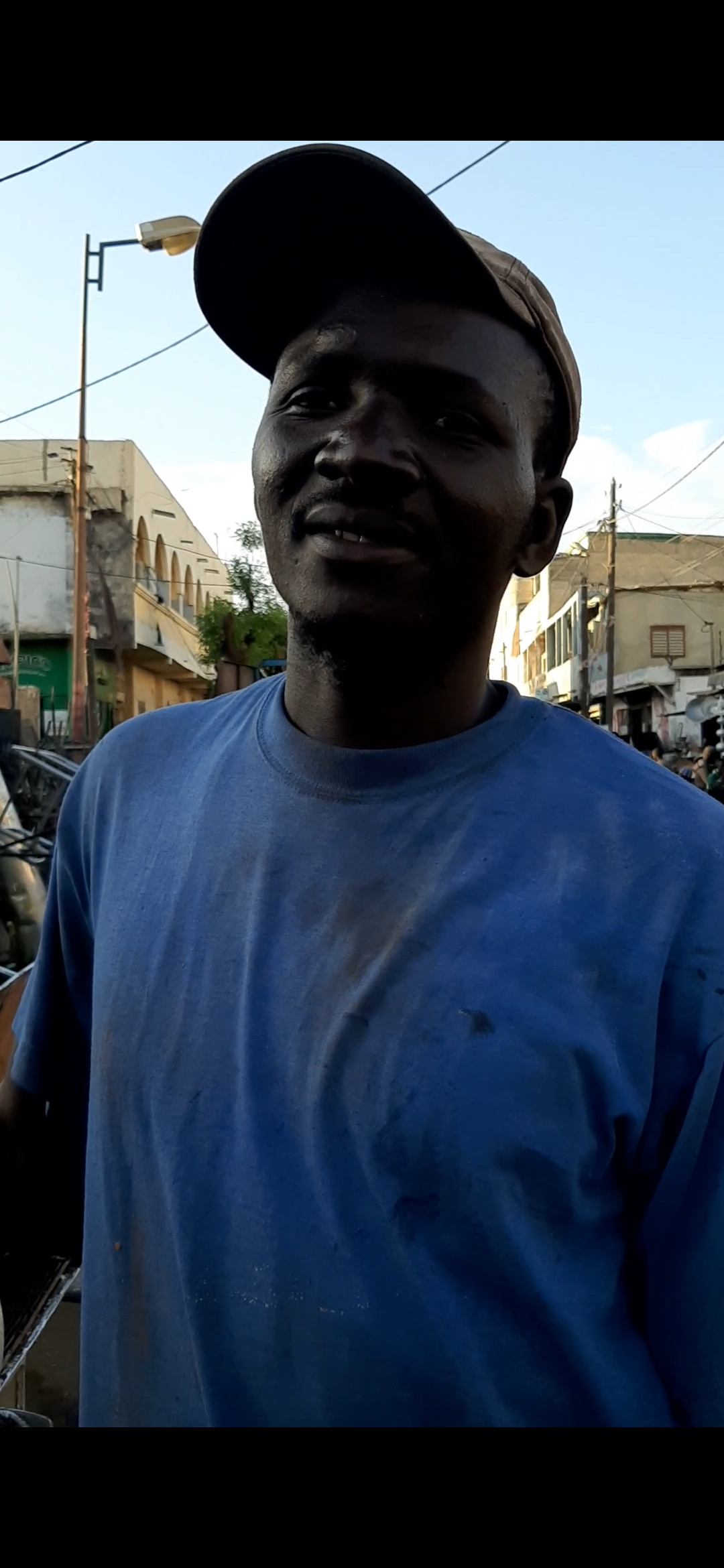
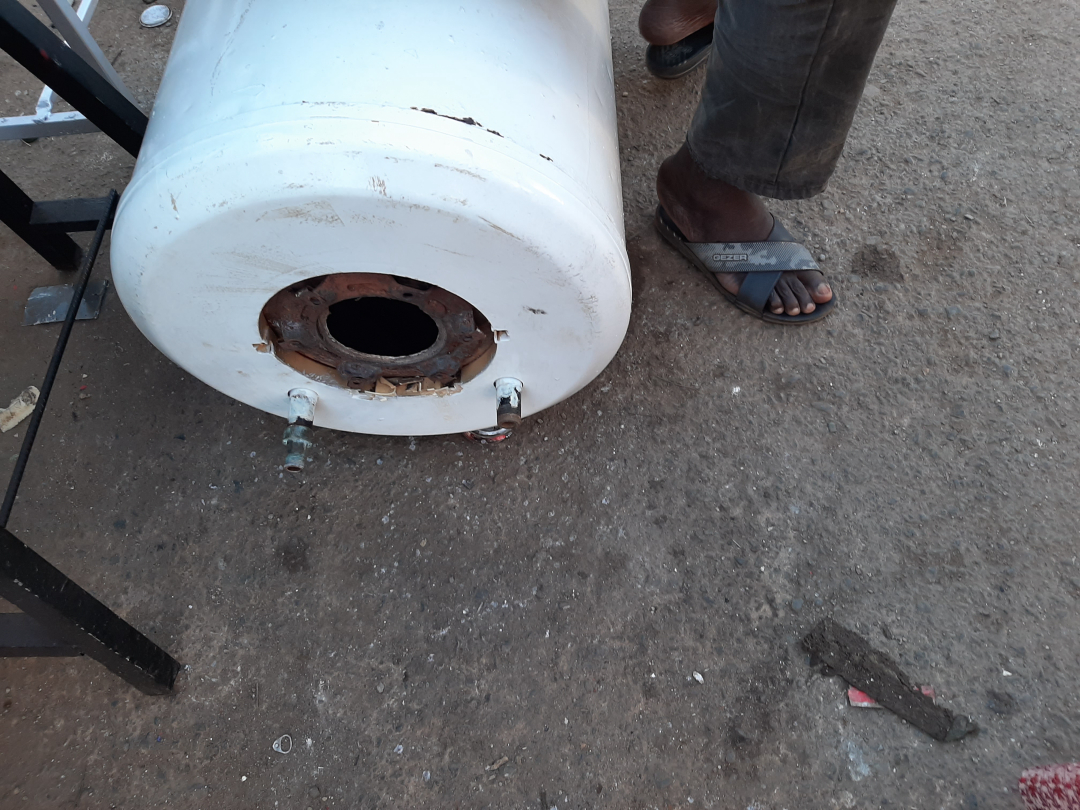
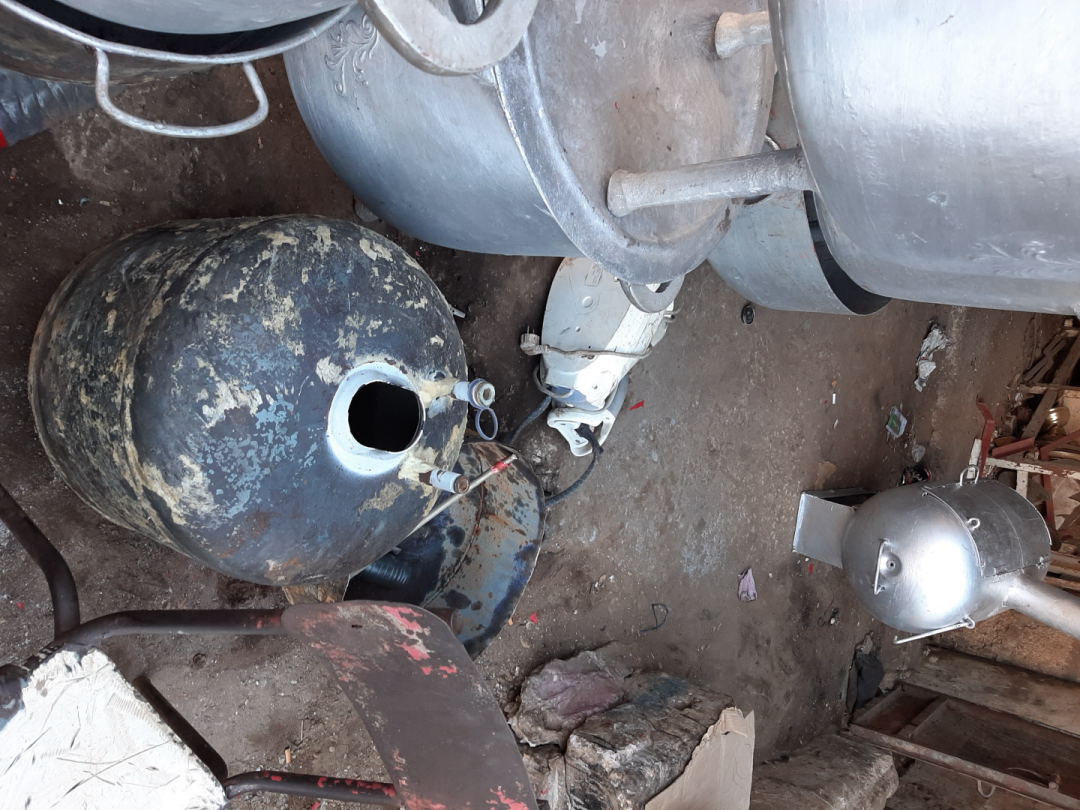
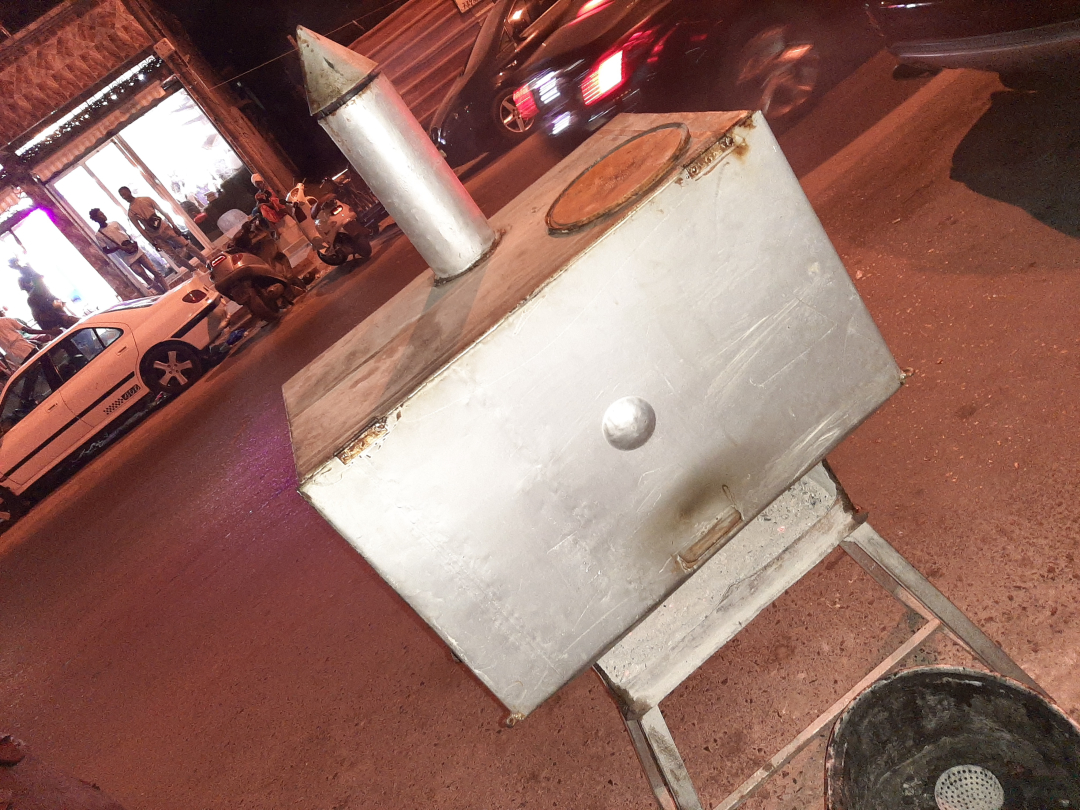
Waste pickers take recyclable materials in the historic Rebeuss district to provide low-cost hand made home appliances to city residents, restaurants or "Dibiteries" ( grilled meat restaurants). Rebeuss is a district in the heart of Dakar city center (Senegal). They collect household appliance waste, more precisely fridge condensers, water heater blocks, Oil drum and other aluminium or iron materials to recycle them into ovens, barbecues, stoves, pots and other kitchen accessories. They can buy waste raw materials from households directely or re-sellers, or pick them from dumps. For the confection, they do all the work of scraping, cutting, assembling and decorating.... These recovery products are very popular and are exhibited on some arteries of the city especially during civil and religious holidays. [REDACTED] is one of the waste pickers. He can produce up to 2 barbecues per day. If he can sell 5 to 10 pieces per months, 10.000 Fcfa (20$ US) is the maximum benefit he can earn with a barbecue. Prices from waste pickers vary from 15.000 Fcfa to 50.000 Fcfa (30$ - 100$ US) for barbecues depending on the size. In the other side and comparatively to those hand made appliances, in the same road big furniture stores are selling similar imported items 10 or 20 times more expensive : 50.000 cfa to 250.000 cfa (100$ – 500$ US). Ibrahima emphasized that earnings are very low and working conditions are poor. Most of them lack basic services : water, electricity, or access to finance, markets and value chains.
PHOTO/ ILLUSTRATION: Please provide a photo or an illustration of what you observed.
NEED: What need does this answer?
The demand for kitchen supplies at affordable cost without need of electricity or gas is very high. Access to descent employment is also a vital need for waste recyclers. Imported items are very expensive and not accessible to low incomes. Lack of training, need for formalization, structuring, regularization, access to raw materials, support.... Access to finance, markets and value chains Need to promote expertise and local production to foster exportations.
INSIGHTS: What lessons can be learned from this observation?
Waste pickers have developed competencies in producing equipments without any basic training. They are providing a response to a strong demand. General censuses of companies in Senegal found that almost 97% were informal (ANSD 2017). ANSD : Agence Nationale de la Statistique et de la Démographie. Earnings in the informal labor market are very low. Working conditions are poor. Most of workers lack basic services: water, electricity, or access to finance, markets and value chains. In the other hand, they escape tax obligations, labor market regulations, and other government interventions. 1. The need to create factories in this informal waste sector and ensure the supply of quality appliances. 2. Promote the integration of these informal artisans and the creation of a value chain. 3. Ensure Access to education/professional training and decent working conditions to promote sustainable production and development methods as well as inclusive and sustainable growth.
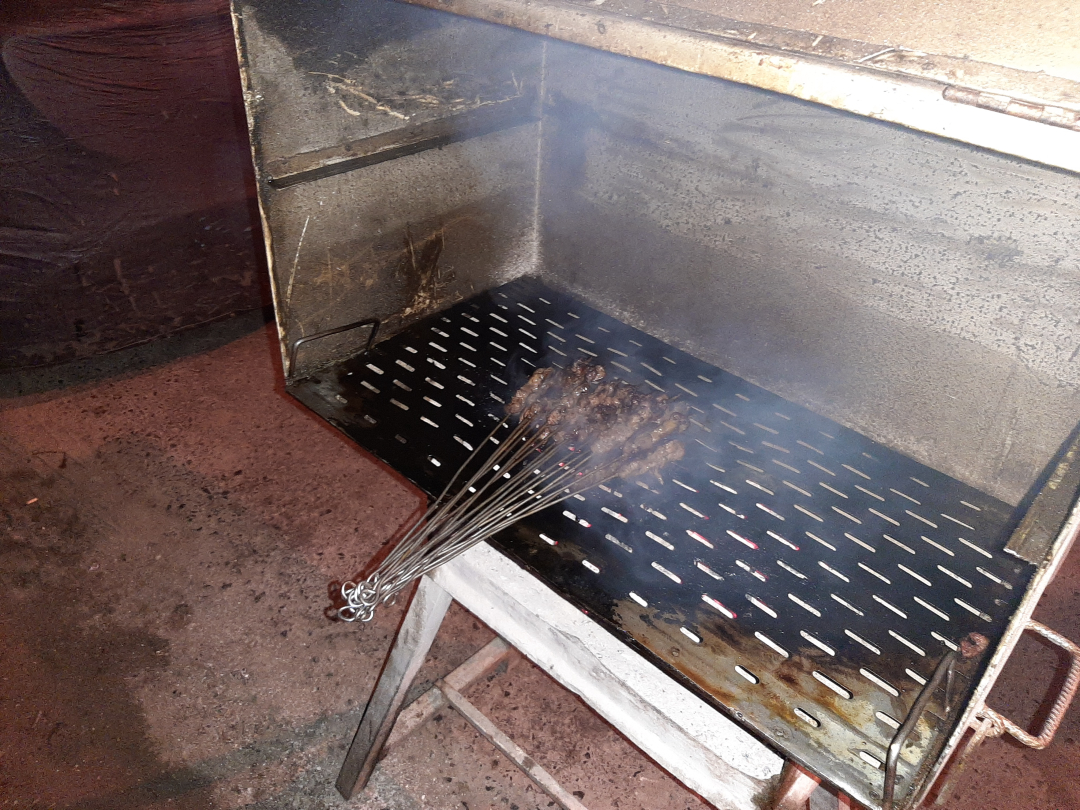
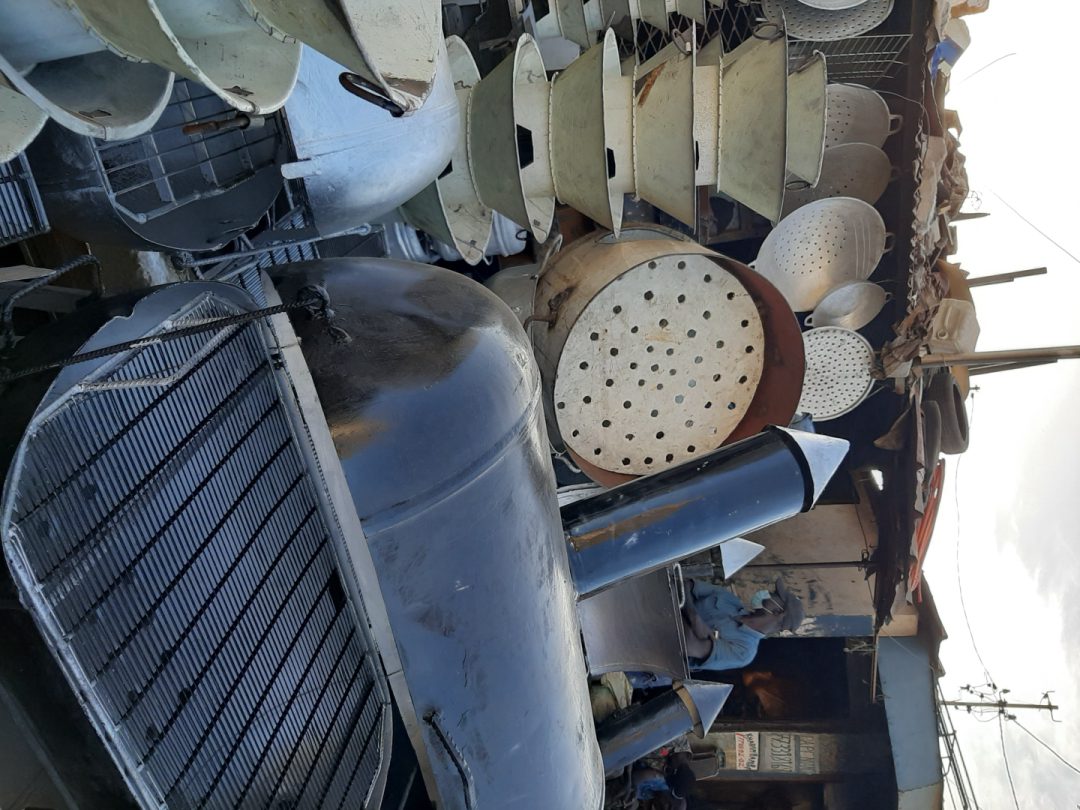
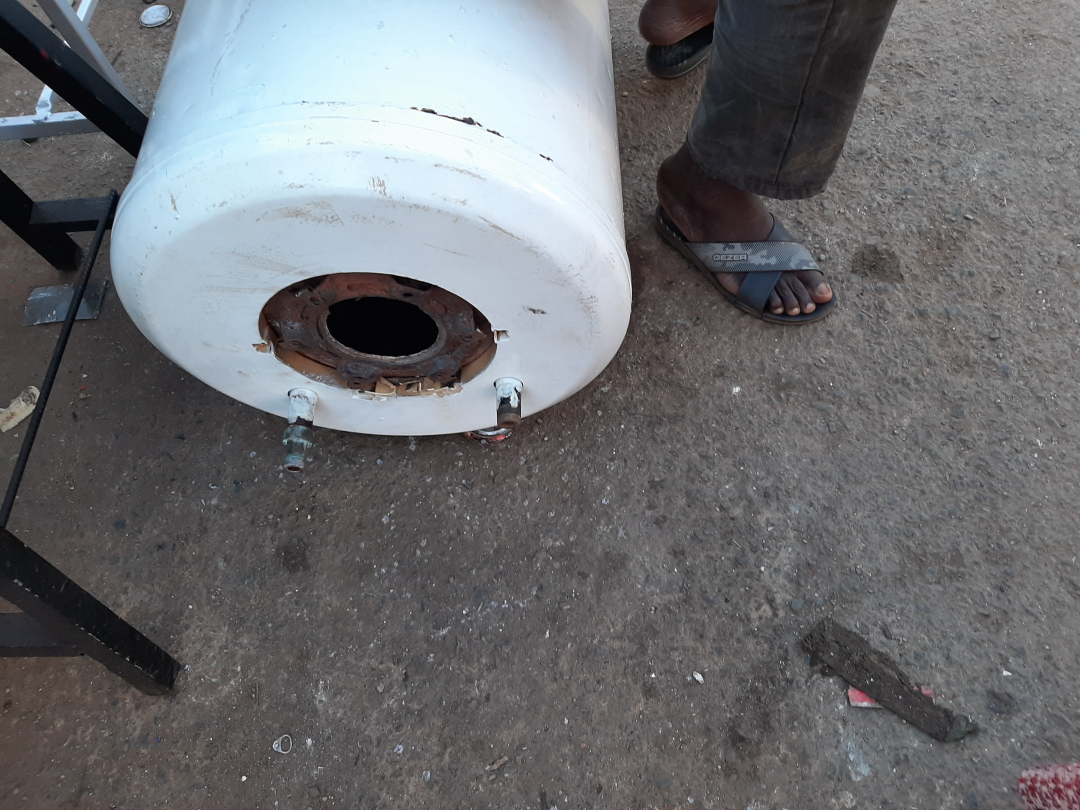
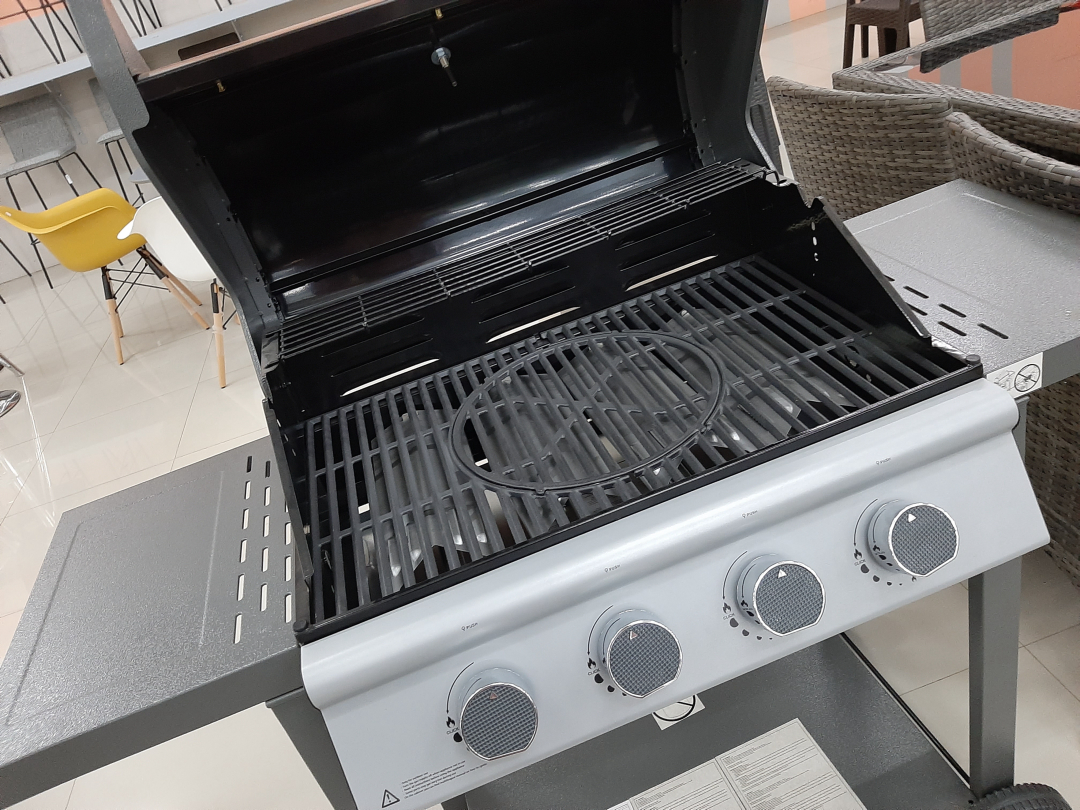
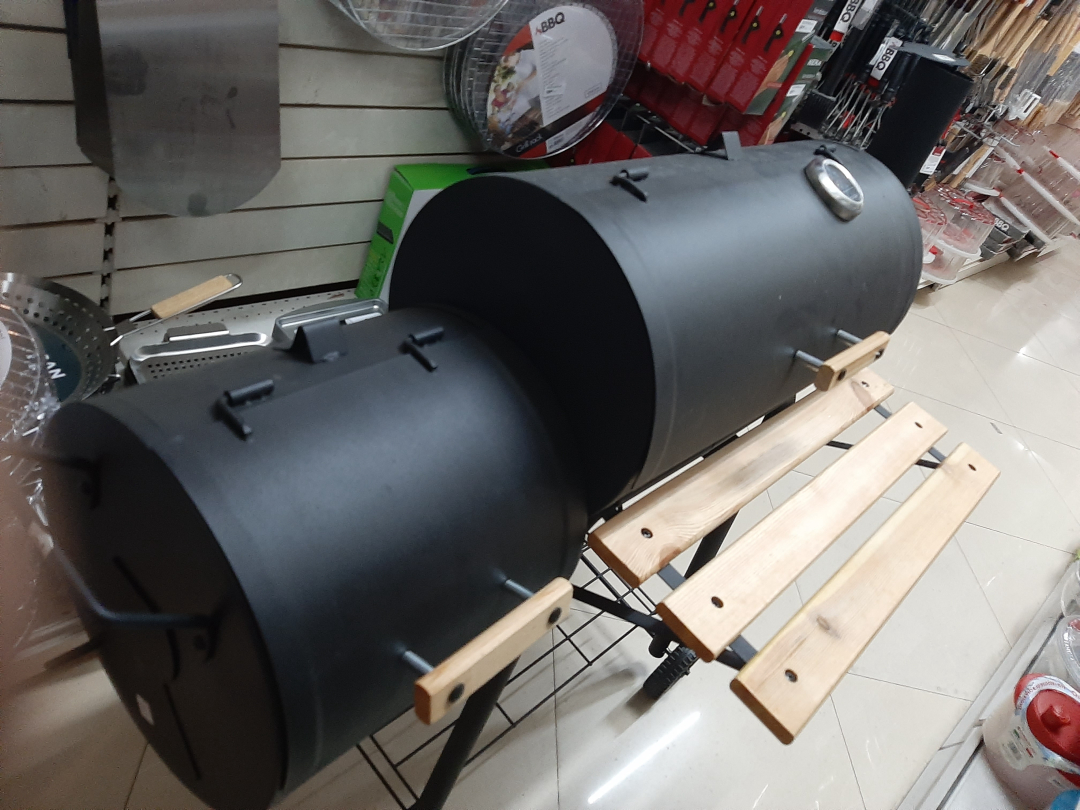
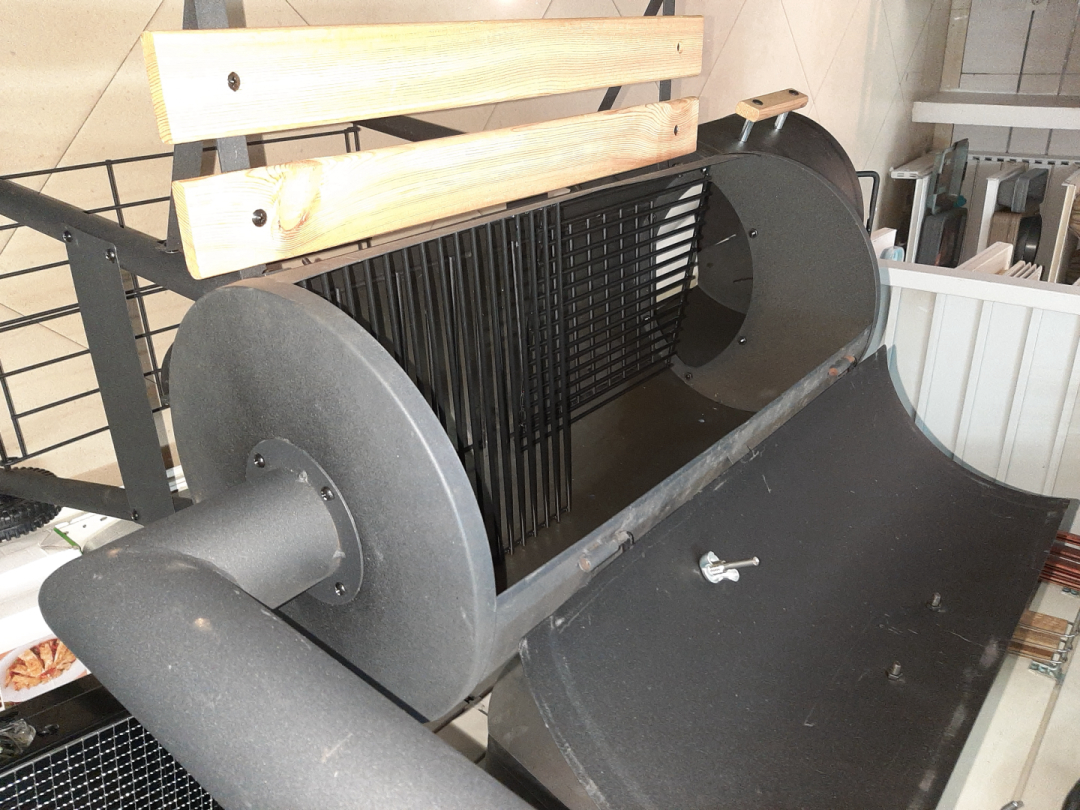
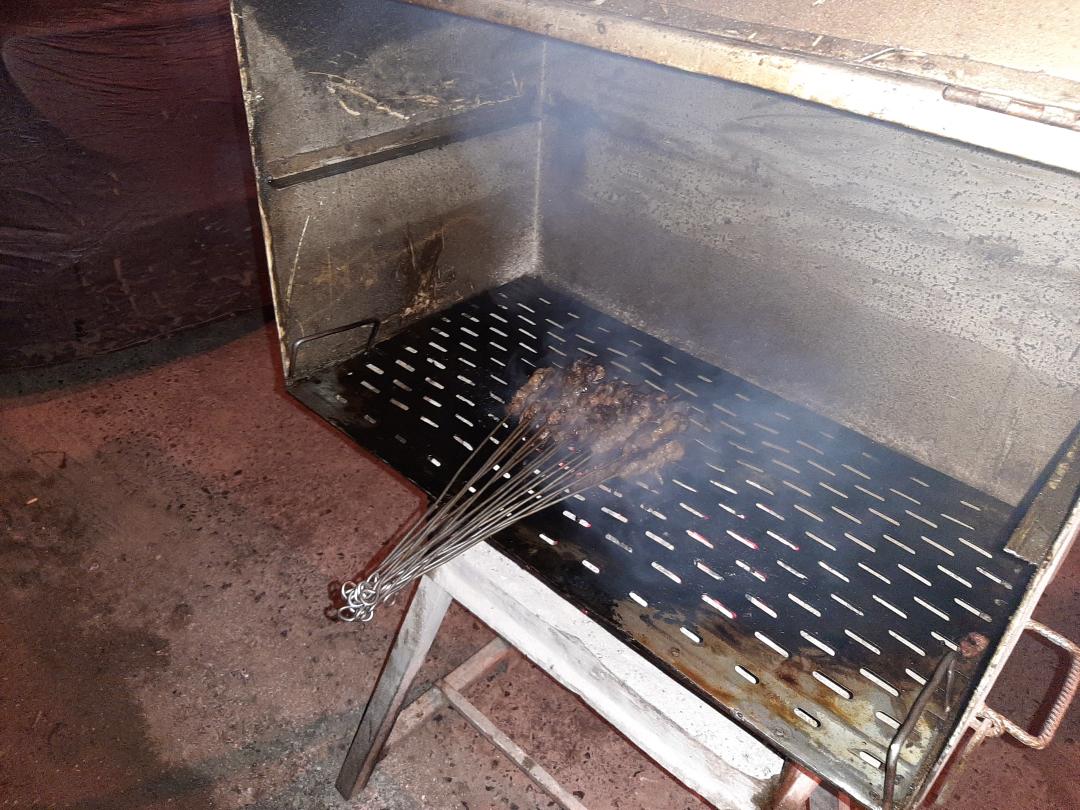
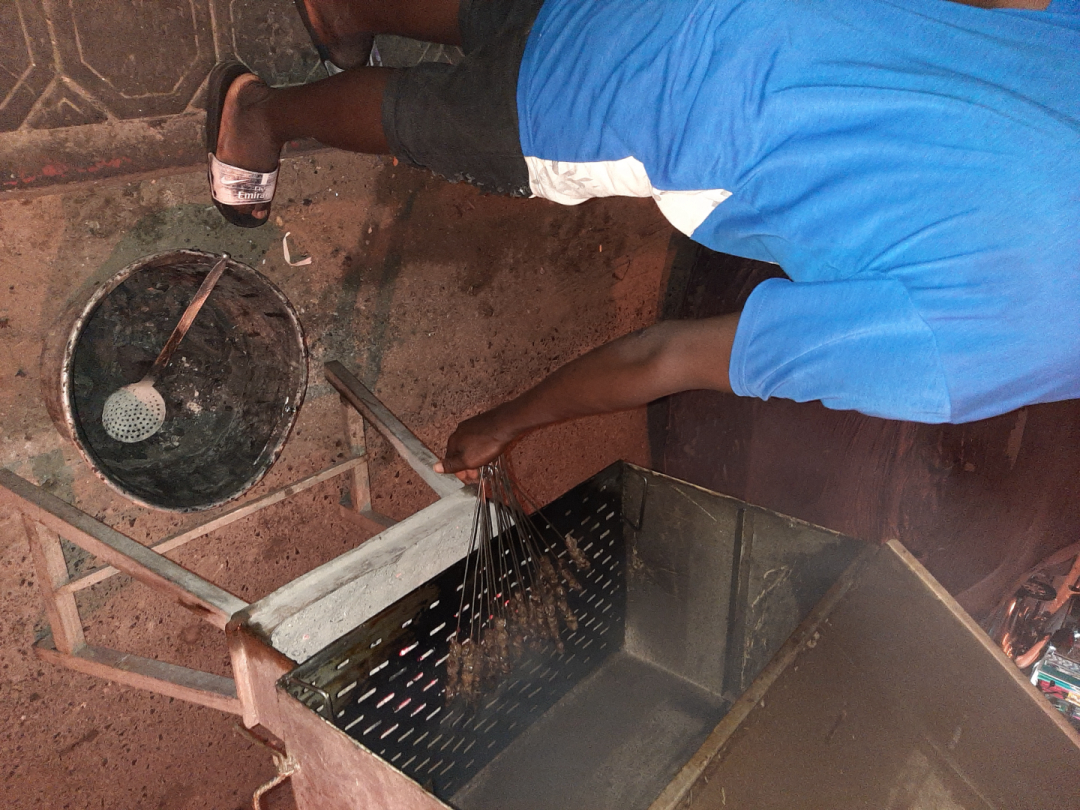
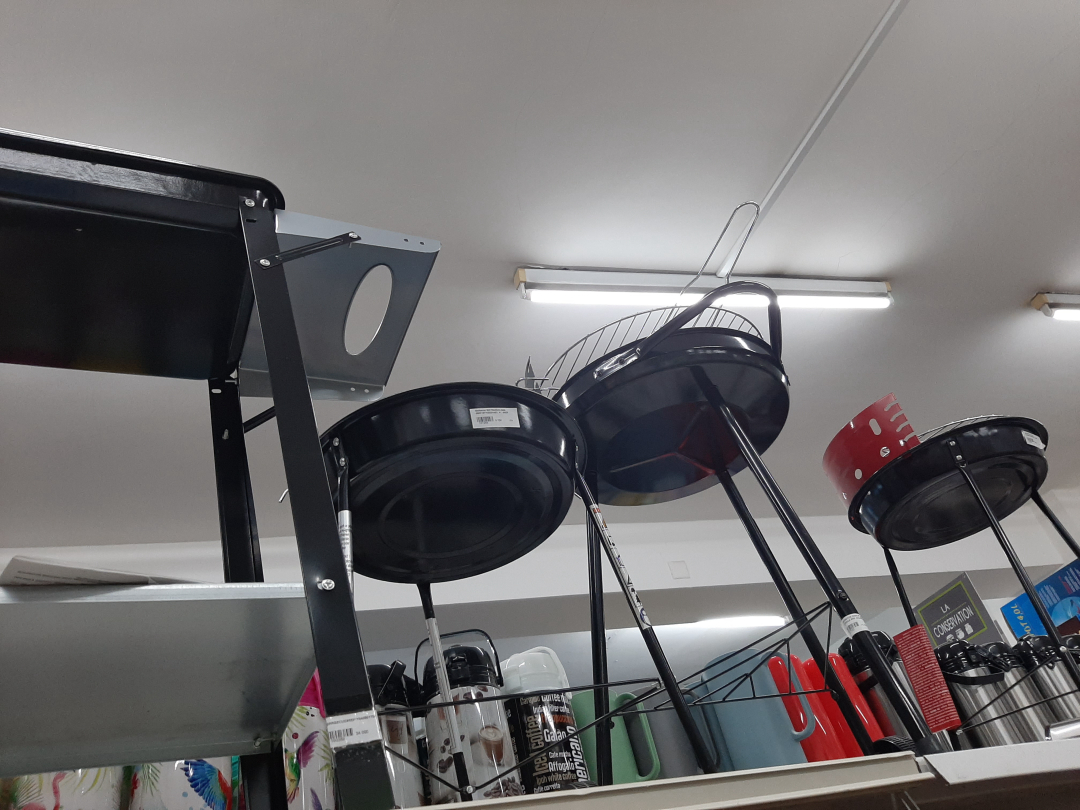
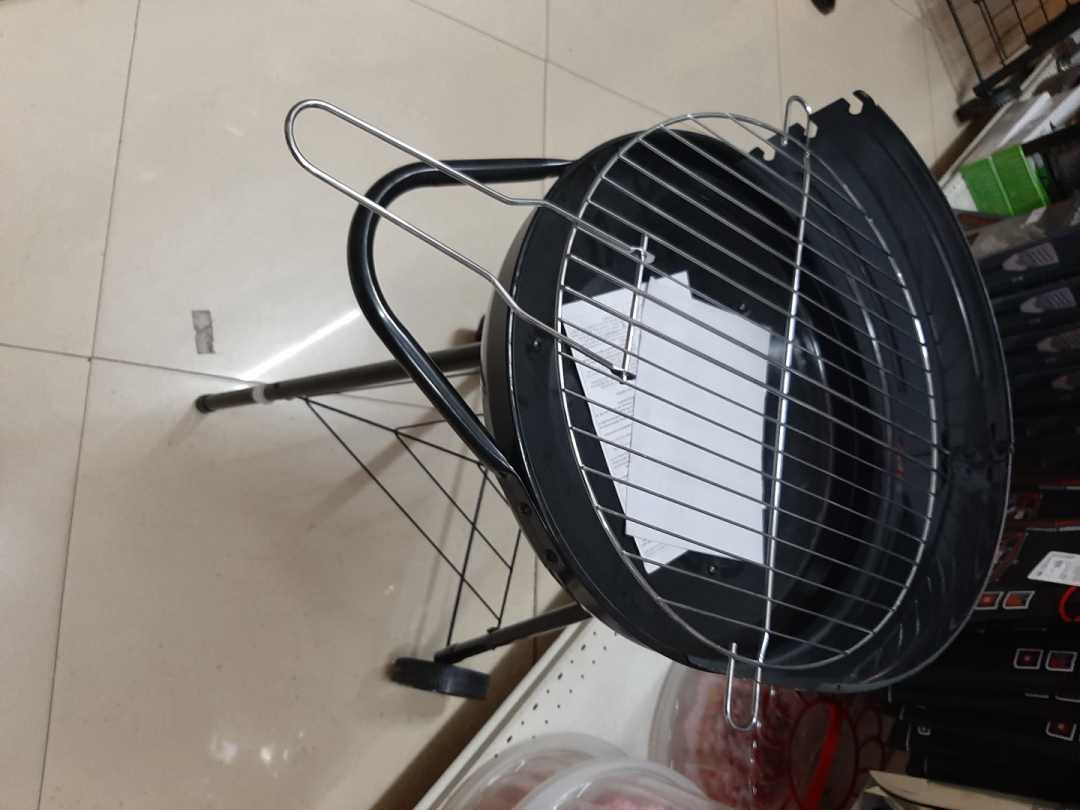
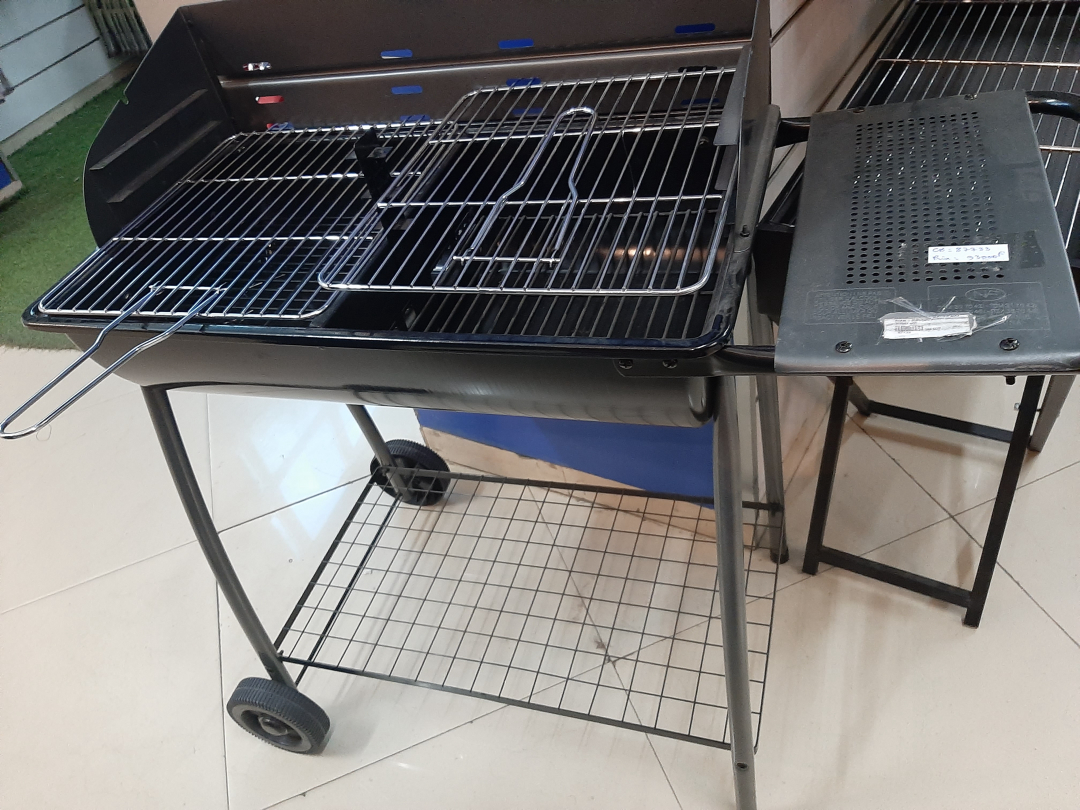
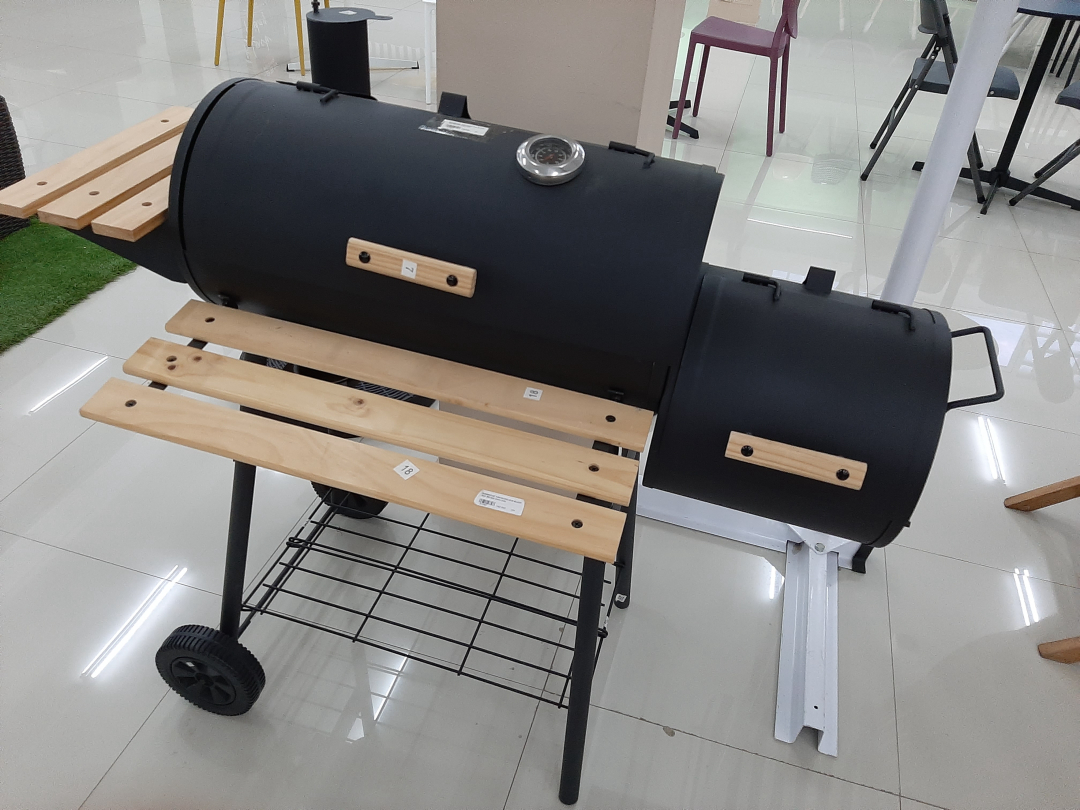
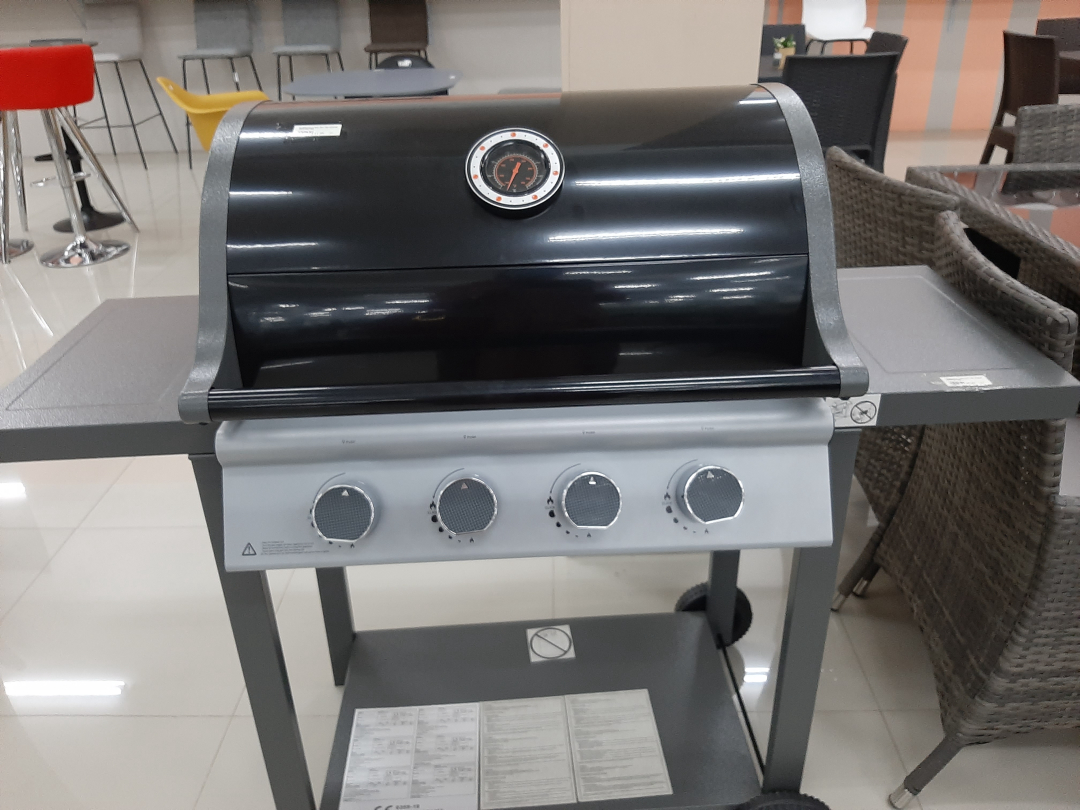
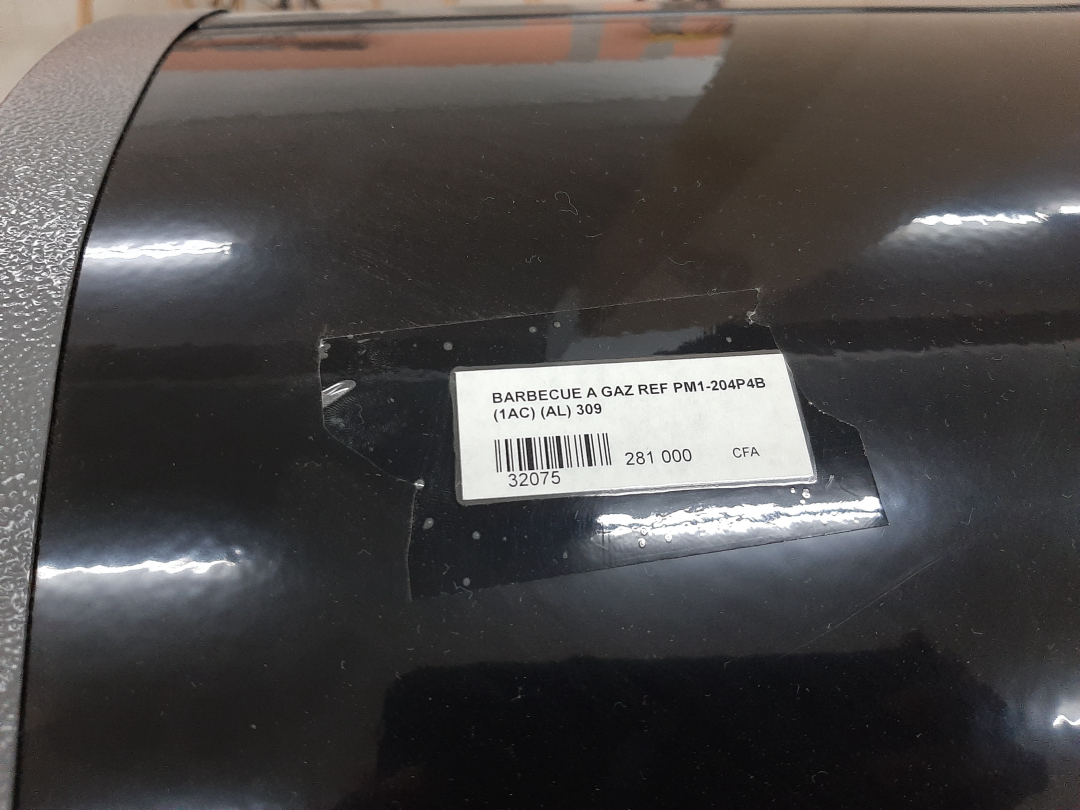
Top : Waste home appliances - fridge condensers, water heater blocks, Oil drum The use of hand made barbecues by a Dibiterie in Medina ( District in Dakar Senegal) Bottom : Imported home appliances exhibited in a furniture department store on the same road. (Rue de Reims Dakar - Senegal)





 8Decent work and economic growth
 10Reduced inequalities
 12Responsible consumption and production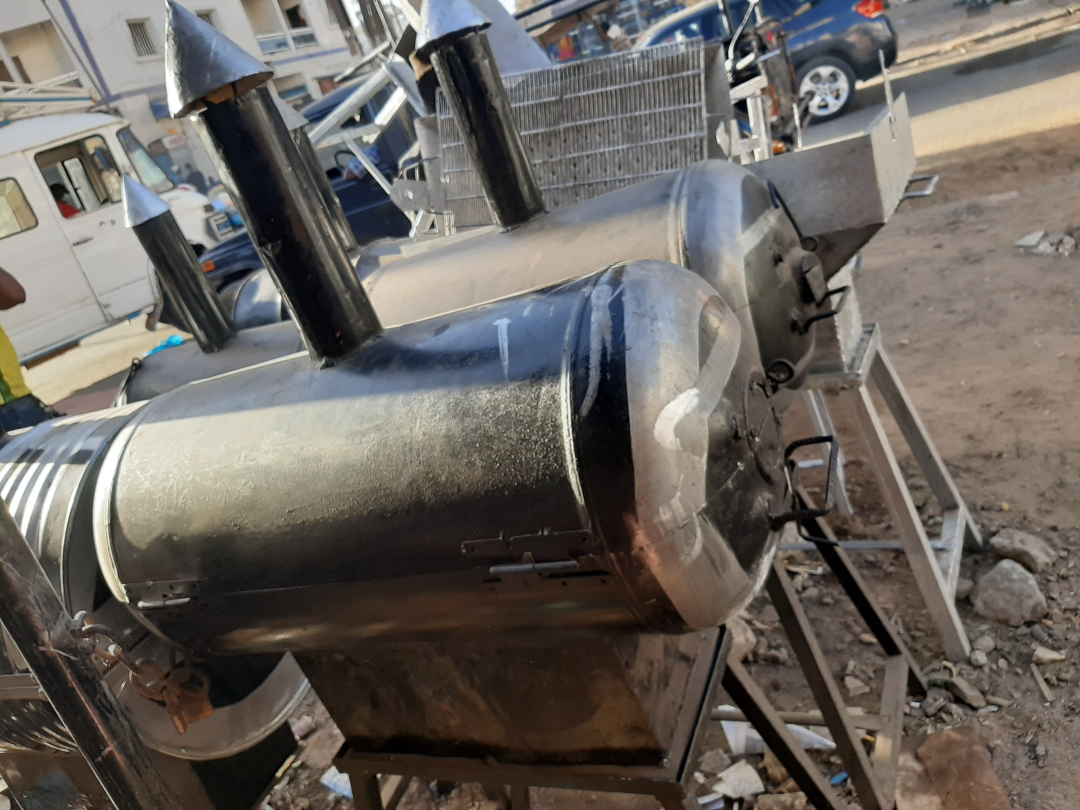




Comments
Log in to add a comment or reply.