Challenge statement
Challenge type: If you are working on multiple challenges, please indicate if this is your "big bet" or "exploratory" challenge.
Please note: we ask you to only submit a maximum of 3 challenges - 1x Big Bet, 2x Exploratory. Each challenge must be submitted individually.
BIG BET
Challenge statement: What is your challenge? (Please answer in specific terms: "Our challenge is that...”.)
Our challenge is that unsustainable waste management practices continue to pervade Panamas's Azuero Peninsula, particularly in the district of Tonosi.
Background: What is the history of your challenge? What is causing or driving it? Who is involved? How does the current situation look like? What undesired effects does it produce?
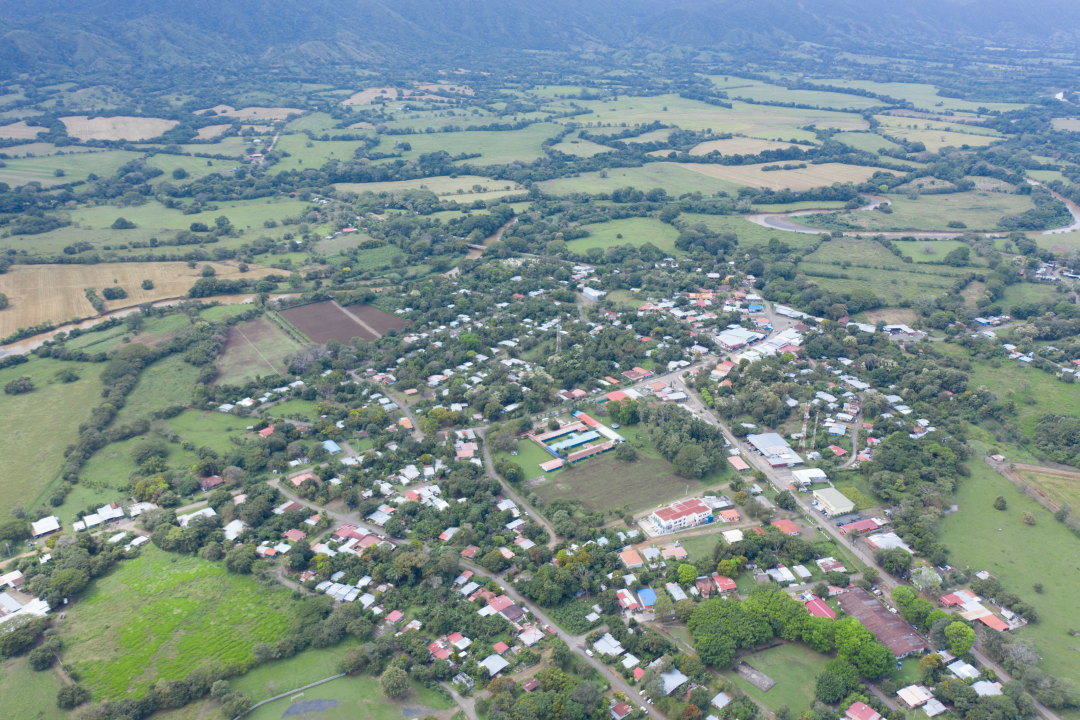
History of challenge: A literature review on solid waste management (SWM) in the Azuero Peninsula (AAUD, 2015; INECO, 2017) revealed that little is known about how waste is managed and what local actors influence the system in the remote district of Tonosí. One thing the lab has discovered is this: SWM is tricky in Tonosí. With over 10,000 inhabitants spread across 11 communities, it is the largest municipality in the province of Los Santos, and it has an incredibly contrasting landscape. The mayor of the Municipality of Tonosí was just elected in late 2019; when the pandemic hit in early 2020, solid waste management was not a priority, resources were limited, and the increasing social and economic impacts of the pandemic started to show in communities. What is causing or driving it? Based on data from the Urban Trash Collection Authority (2015), Tonosí generates -in average- 11 tons of waste a day, it only has two garbage trucks for the entire municipality, and the costs of gas and maintenance of the vehicles are high. Therefore, the service is only provided in the city center, usually 2-3 times per week. Municipal waste management service has many limitations, it cannot cover its own costs and it is mostly subsidized with resources from the central government of Panama. Everyone pays the same waste collection fee for the service ($2.00 monthly). Adversely, a household that generates one or two garbage bags a week pays the same fee amount as a business that can fill half a garbage truck in one stop. There is no effective system to collect this fee outside of the city center. What does the current situation look like? People often need to travel to the municipal office to pay personally. The municipal landfill is unfenced and open to dispose of any type of waste. From hazardous hospital waste to dead cows and horses, everything is disposed of at no cost. While it is surveilled by a municipal guard during the week, no surveillance takes place on weekends. In addition, waste is not weighted and there is no infrastructure to classify waste or protect the soil from landfill toxic liquids. What undesired effects does it produce? Communities resort to their own waste disposal methods when there is no waste collection system. Incineration is common. Even though there has been motivation from some schools and environmental groups to compost organic waste, most of these efforts are short-lived. The use of agrochemicals is a key concern for most actors. Due to the vast distances from major cities, separation and recycling is cost prohibitive to transport.
Quantitative evidence: What (official) data sources do you have on this challenge that better exemplifies the importance and urgency of this frontier challenge? You can add text, a link, or a picture.
In Panama, 52% of all waste is generated in the province of Panama, followed distantly by Chiriquí (11%), Colón (7%) and Coclé (7%). Despite the lower levels of waste generation in other provinces, the challenge of waste management permeates across the country. Yet, this challenge is often overlooked, particularly in rural areas. For example, waste generation in Los Santos province accounts for 3% of the total waste generated in the country. Nevertheless, it remains a challenge as it is affecting people's wellbeing due to incineration in households and landfills, plastics in beaches and rivers and their effects in the local biodiversity. Zooming in, and in collaboration with UNDP's Azuero Sostenible project and the Ministry of Environment, our Accelerator Lab started a learning cycle in November to understand what is happening with solid waste management in the municipalities of Pocrí, Pedasí and Tonosí, in Los Santos Province. Waste management in these municipalities is limited to collection and final disposal at municipal landfills (AAUD, 2015). Regardless, across these municipalities there are stark contrasts in terms of waste collection, with Pedasí having a 65% collection rate, whereas Tonosí only accounts for about 8.9% (INEC, 2010). Most municipalities charge a waste collection fee, but most households across these three municipalities do not pay it. In addition, the municipal landfills are also freely available for anyone that wants to dispose any type of waste (AAUD, 2015). Municipal landfills do not have infrastructure to separate or process waste. Therefore, it is often buried or burn to reduce the volume of waste at the municipal landfills. The case of Pocrí is unique to the region, as it has 4 landfills in private lands dispersed in the municipality (one of the smallest in Los Santos province). There is no municipal landfill as the municipality has not been able to buy land to have one consolidated landfill for the whole district. In consequence, these 4 landfills of dumping sites are often collapsing and burning becomes a common practice to reduce the volume of waste, affecting nearby communities. Reviewing literature, we identified that burning is one of the most preferred ways of getting rid of waste in Los Santos province. In Tonosí, for example, 69% of households burn waste, the highest percentage in the province. In Pocrí (36%) and Pedasí (23%) burning is also a daily practice (INEC, 2010). On the other hand, compost, separation and recycling are mostly unavailable. In the Municipality of Pedasí there have been attempts to separate waste but once it is collected everything goes to the landfill and does not get any type of treatment. Given that alternative waste management practices are limited, waste management remains a complex and challenging issue for municipalities, which often have little resources and infrastructure available to improve their solid waste management practices. This remains a silent challenge that most municipalities in rural areas face, but is crucial for the wellbeing of the population and biodiversity.
Qualitative evidence: What weak signals have you recently spotted that characterizes its urgency? Please provide qualitative information that better exemplifies the importance and urgency of this frontier challenge. You can add text, a link, or a picture.
Our first learning cycle focused on understanding the perceptions of key actors related to SWM in the municipalities of Pocrí, Pedasí and Tonosí, including environmental leaders, NGOs, CSOs, SMEs and government institutions. We identified 8 key insights from the interviews conducted: We encountered that in municipalities like Tonosí, (i) Only 22 citizens are paying for municipal waste collection fees. Therefore, exploring the perceptions of citizens on waste and the current municipal waste management service is key to inform how it could be improved. In addition, (ii) The municipality has information gaps on its SWM system that need to be further explored in order to identify leverage points where the current service model could be more efficient, without incurring large investments. (iii) We also identified that informal waste pickers are an unusual actor that do not seem to be part of any decision-making process. Opening spaces for their voices, participation, and concerns is necessary to make SWM more just, inclusive and resilient. (iv) Incineration is more than a sociocultural pattern; it is also a structural challenge where the lack of compost alternatives and the economic costs to collect and/or transport waste also play a role. (v) Even though there has been motivation from some schools and environmental groups to compost organic waste, interventions often provide little to no follow-up. As a result, most of these efforts have been short-lived. Finding linkages between these initiatives and local food systems may be an alternative pathway to consider. (vi) The use of agrochemicals was a key concern for most actors involved, generating evidence on how much pollution from this practice is affecting people and bodies of water in Tonosí remains an area of further exploration. (vii) Regarding separation and recycling, the cost of transport to and/or collection of this material is too expensive for both recycling companies and communities. It is necessary to further explore how a value chain can be generated from these activities. (viii) The power of collective action can generate transformative SWM opportunities from the bottom up. The insights presented above are parts of a system where no actor by itself can “solve” this deeply interconnected, wicked problem. It takes a collective effort; it takes our collective intelligence. The full blog including more details on these insights can be found here:
https://www.pa.undp.org/content/panama/es/home/blog/sumergiendonos--virtualmente--en-la-gestion-de-residuos-solidos-.html
Value proposition: What added value or unique value proposition is your Accelerator Lab bringing to solving this challenge? Why is it your Lab that needs to work on this challenge and not other actors within UNDP, other stakeholders in the country respectively? Why is it worth investing resources to this challenge?
The Accelerator Lab will run solutions mapping and micro-experiments in Tonosi to tackle SWM issues. It seeks to explore the possibility of designing innovative SWM policies together with local and national partners. The lab will draw from the CO’s experience with SWM in the region to test innovative solutions. UNDP Panama lacks a SWM specialist and SWM is generally seen as a siloed area not included in any particular cluster. It is a wicked problem which requires a systemic approach utilized particularly by the Lab. The country office, as well as the UNDP counterparts (municipalities and communities in Azuero) have identified challenges surrounding SWM as a critical area.
Short “tweet” summary: We would like to tweet what you are working on, can you summarize your challenge in a maximum of 280 characters?
The Lab is confronting rural solid waste management head on. How? By experimenting with behavioral change and citizen science, mapping value chains with informal waste pickers, and exploring reverse logistics initiatives with the private sector to disrupt linear economies.
Partners
Who are your top 5 partners for this challenge? Please submit from MOST to LEAST important and state Name, Sector and a brief description of the (intended) collaboration.
Please state the name of the Parter:
Technological University of Panama
What sector does our partner belong to?
Academia
Please provide a brief description of the collaboration.
Solution Mapping in the form of an innovation fair (challenge prize) to identify grassroots innovations for SWM.
Is this a new and unusual partner for UNDP?
No
Who are your top 5 partners for this challenge? Please submit from MOST to LEAST important and state Name, Sector and a brief description of the (intended) collaboration.
Please state the name of the Parter:
Network of Female Leaders Azuero
What sector does our partner belong to?
Civil Society
Please provide a brief description of the collaboration.
Is this a new and unusual partner for UNDP?
Yes
Who are your top 5 partners for this challenge? Please submit from MOST to LEAST important and state Name, Sector and a brief description of the (intended) collaboration.
Please state the name of the Parter:
Municipality of Tonosi
What sector does our partner belong to?
Learning questions
Learning question: What is your learning question for this challenge? What do you need to know or understand to work on your challenge statement?
SWM –Behaviors: Can comparative norms predict composting and recycling behavior? Can gamified interventions in public spaces increase knowledge, attitude and SWM behavior? SWM - Logistics: What is willingness to pay for solid waste recollection service? How can that improve municipal waste recollection resources? How can we make solid waste recollection in rural areas of Panama cost-saving and effective? How can we apply reverse logistics to remove recycled material from rural communities? SWM - Other: Who are Azuero's informal waste pickers, what motivates them, what are their working conditions? How can citizen science and/or collective action inform SWM policy? Where is waste burned? How does incineration affect air quality? Can litter traps reduce river pollution, improve water quality and fishery, and improve community ownership over SWM?
To what stage(s) in the learning cycle does your learning question relate?
Explore, Test
Usage of methods: Relating to your choice above, how will you use your methods & tools for this learning question? What value do these add in answering your learning question?
Behavioral insights: Social norms and gamification will be used to influence waste separation activities in the community. Pilots: A number of micro-experiments, from recollection route optimization via open-source geospatial mapping to river litter trap installations created out of recycled material will be installed. Crowdsourcing: An innovation fair is being driven to crowdsource alternative solutions to conventional SWM. Citizen Science: CS initiatives will be employed to engage citizens in participatory data collection activities to address concerns over use of agrochemicals in their communities. Collective Intelligence: The integration of collective action insights will generate transformative SWM opportunities from the bottom up.
Existing data gaps: Relating to your choice above, what existing gaps in data or information do these new sources of data addressing? What value do these add in answering your learning question?
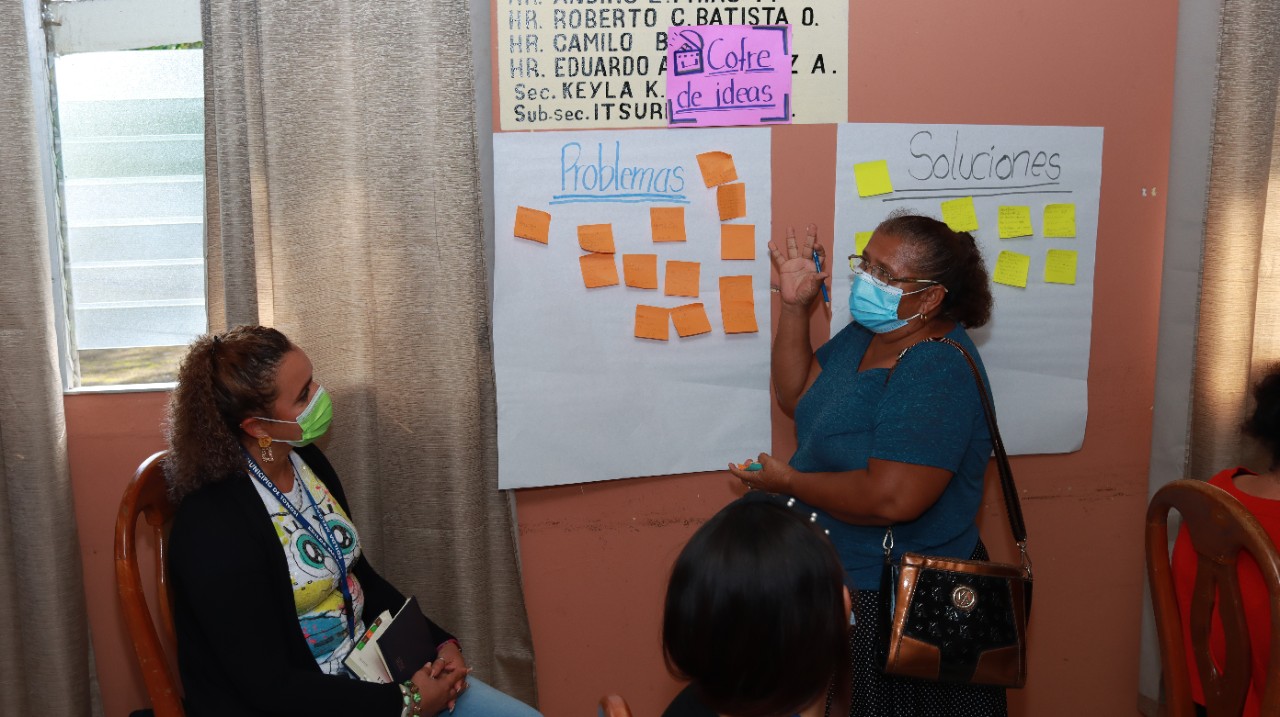
The Lab will map waste recollection routes through open source routing systems (Arc GIS) to identify opportunities to reduce operative costs, labor hours and vehicle emissions per volume of waste collected. The Lab will use drones to map the river Tonosí to identify locations for litter trap installations. The Lab will explore the opportunity to use PDS to identify areas of burning (for both waste burning as well as major slash-and-burn areas) The Lab will use sensor and sensor network data for its citizen science experiment in two areas: Detecting agrochemical hotspots as well as detecting burning consequences in air quality. Two types of focus groups will take place: 1. To map solutions as well as waste value chains with informal waste workers 2. To create municipal agreements for SWM between institutional actors (communal boards and municipality) To evaluate willingness-to-pay waste fees (revealed & stated preference) of both private sector actors and citizens, the lab will employ surveys.






 12Responsible consumption and production
 13Climate action


Comments
Log in to add a comment or reply.