Disclaimer:
Please be aware that the content herein has not been peer reviewed. It consists of personal reflections, insights, and learnings of the contributor(s). It may not be exhaustive, nor does it aim to be authoritative knowledge.
Title
Please provide a name for your action learning plan.
Portfolio of experiments of a community-based solid waste management approach in Los Tres Brazos, Santo Domingo Este
Challenge statement
Challenge type: If you are working on multiple challenges, please indicate if this is your "big bet" or "exploratory" challenge.
Please note: we ask you to only submit a maximum of 3 challenges - 1x Big Bet, 2x Exploratory. Each challenge must be submitted individually.
EXPLORATORY
Challenge statement: What is your challenge? (Please answer in specific terms: "Our challenge is that...”.)
Our challenge is to address the issue of solid waste management (SWM) in Santo Domingo Este (SDE), the largest municipality in the DR, in slum communities where the local gov’t’s collection service is precarious (Los Tres Brazos).
Background: What is the history of your challenge? What is causing or driving it? Who is involved? How does the current situation look like? What undesired effects does it produce?
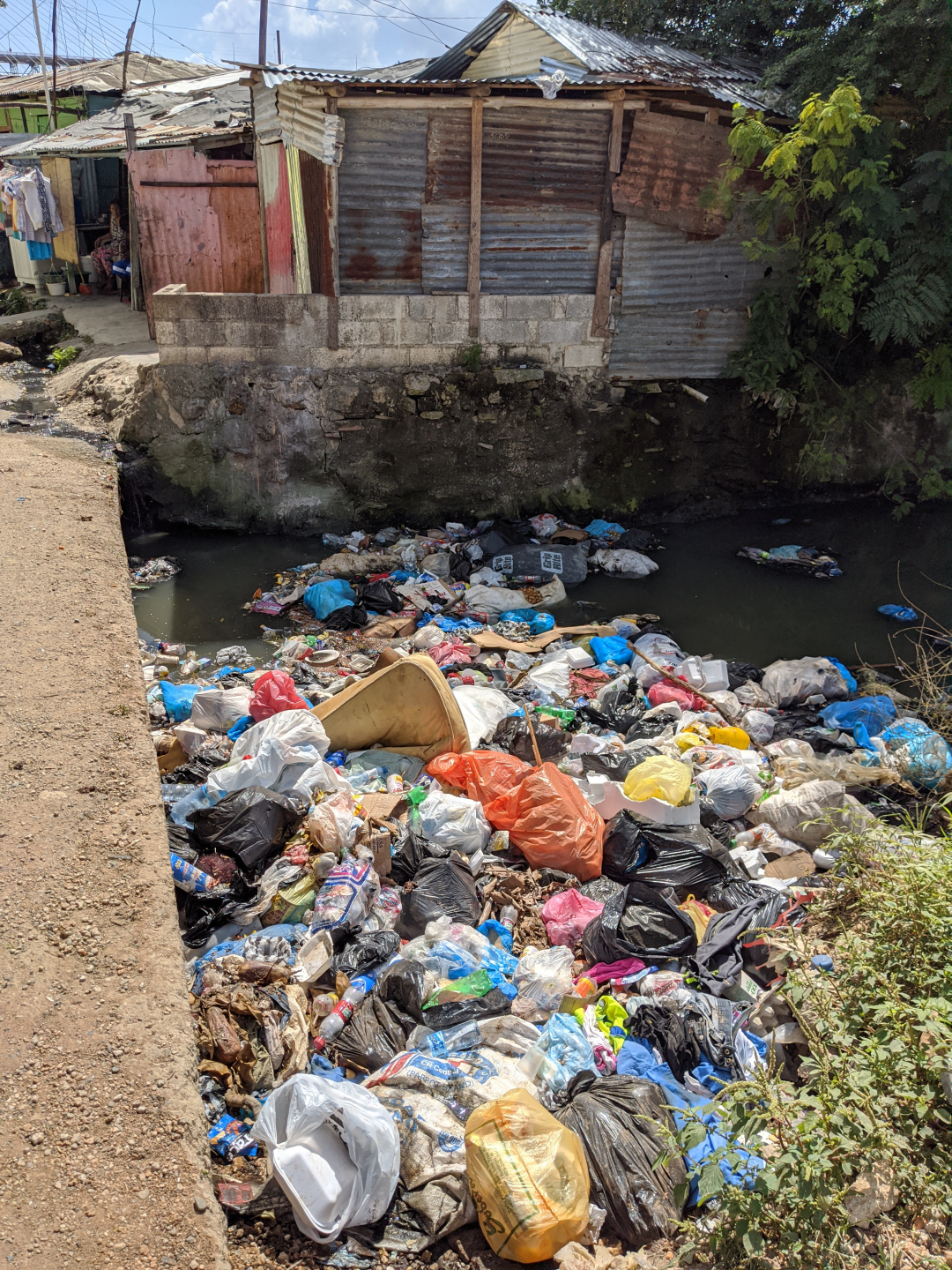
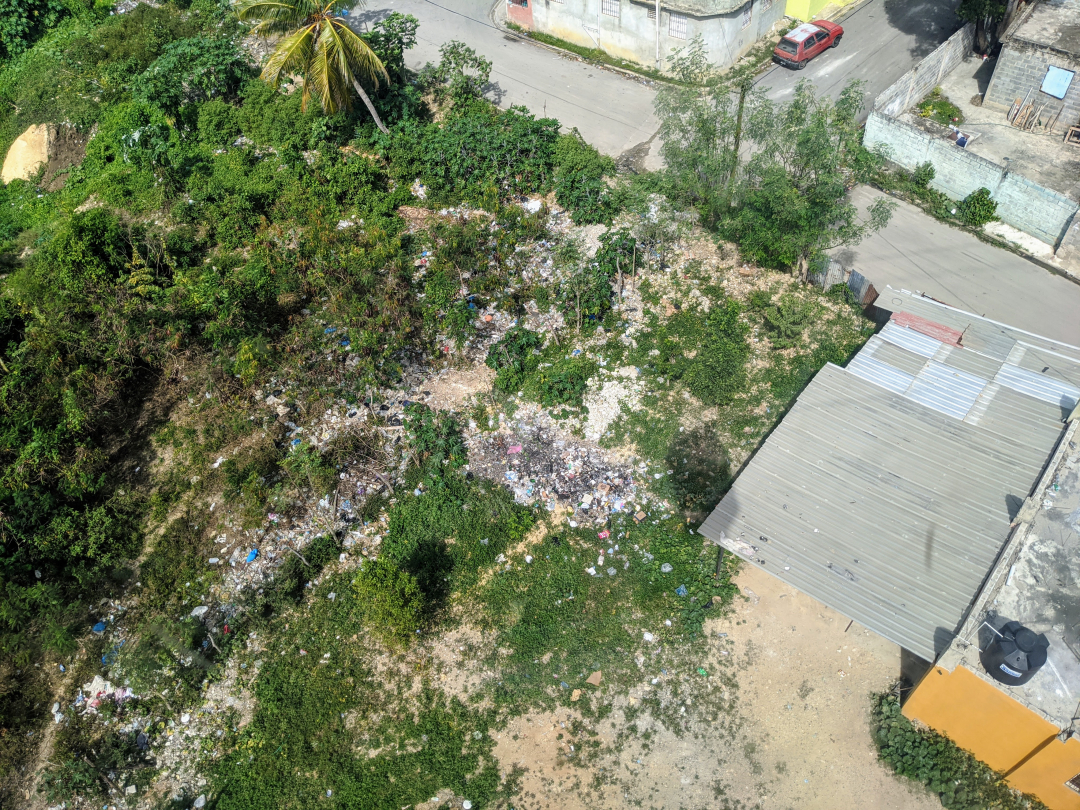
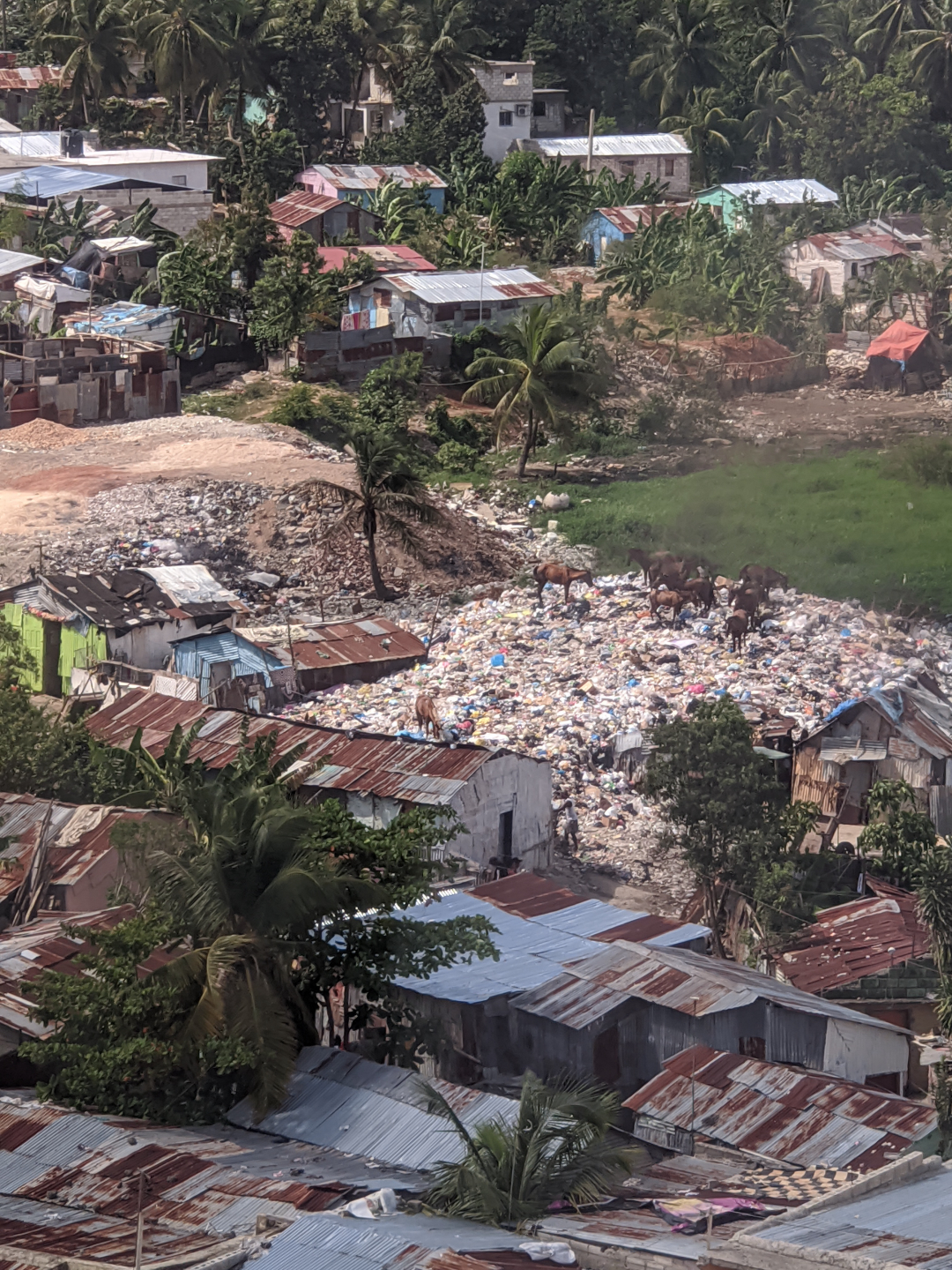
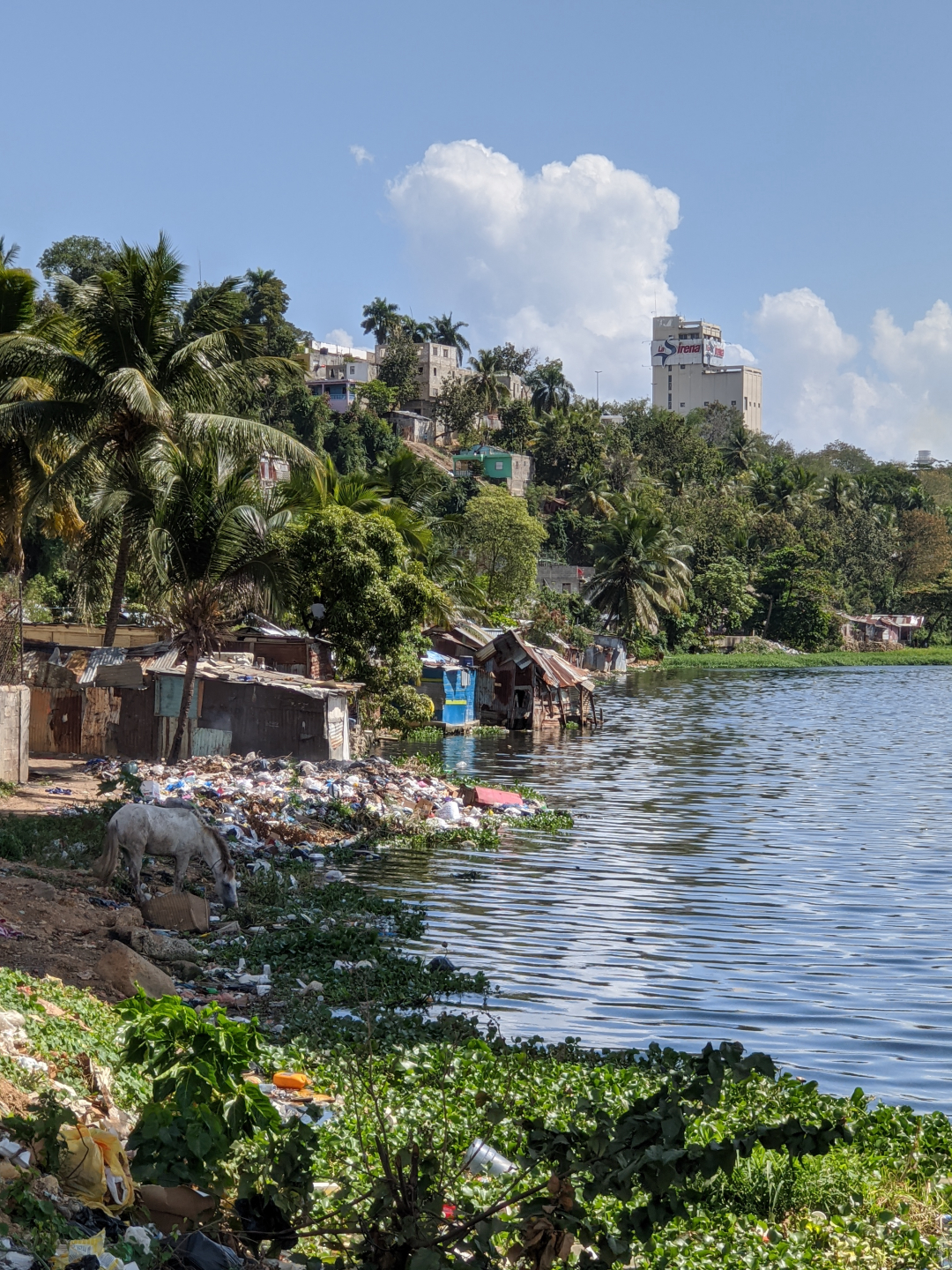
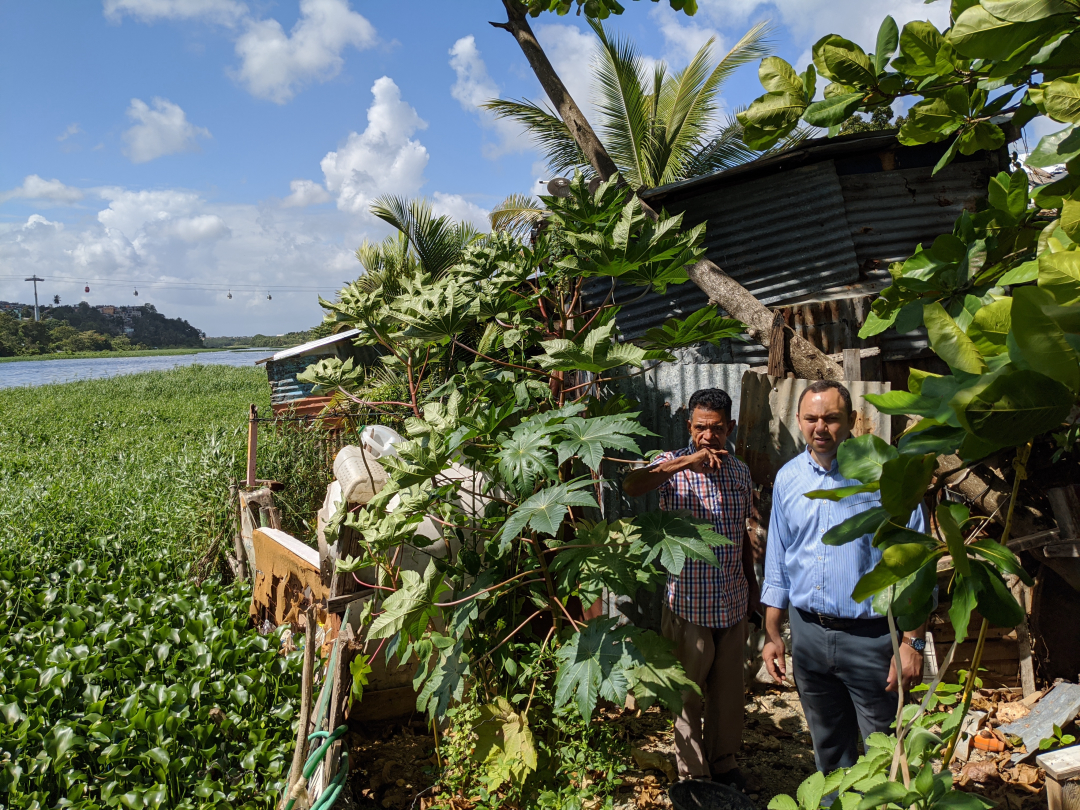
For decades, SWM in SDE has been a precarious service. On the one hand, collection routes are insufficient in terms of garbage volume generated, thus engendering issues such as informal dumping sites, garbage being thrown into streets and the river and increasing the likelihood of life-threatening illnesses outbrakes caused by bacteria, rodents, and mosquitoes. On the other hand, long-held unsustainable collection and disposal practices among community members add further complexity to finding effective solutions. Such mix of various layers of problems result in communities where residents are ill-served, the municipality appears to be unable to cope with demand, and the environmental footprint on land and water is salient.
Quantitative evidence: What (official) data sources do you have on this challenge that better exemplifies the importance and urgency of this frontier challenge? You can add text, a link, or a picture.
A 2020 study on the Greater Santo Domingo’s SWM situation found that in SDE the daily solid waste generation is about 0.70 kg per capita. SDE’s population is about 1 million. Only about 60% of all solid waste in SDE is collected and disposed of at a landfill.
Qualitative evidence: What weak signals have you recently spotted that characterizes its urgency? Please provide qualitative information that better exemplifies the importance and urgency of this frontier challenge. You can add text, a link, or a picture.
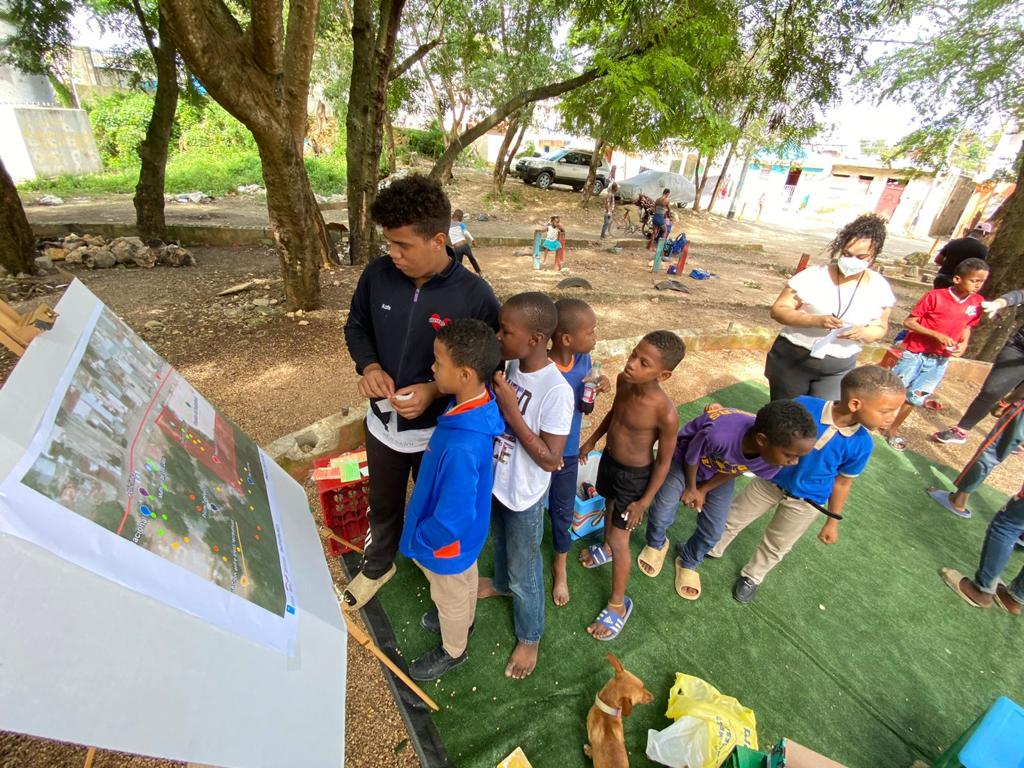
Our lab’s sensemaking process of about 6-8 months has provided important insights into the urgency of the problem. Having conducted focus groups and individual interviews with multiple stakeholders in a riverbank community, we found that the issues underlying the problem with SWM in SDE are related to lack of proper routing and frequency for garbage collection, as well as the improper disposal practices which have become ingrained in the community’s collective behavior.
Value proposition: What added value or unique value proposition is your Accelerator Lab bringing to solving this challenge? Why is it your Lab that needs to work on this challenge and not other actors within UNDP, other stakeholders in the country respectively? Why is it worth investing resources to this challenge?
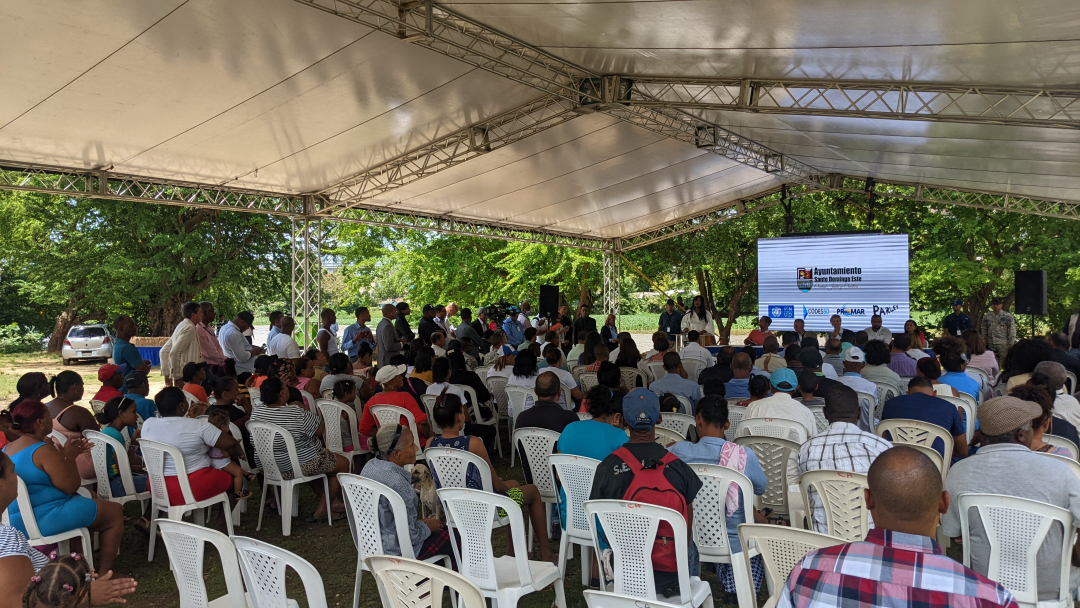
After sensemaking, we organized a 3-day ideation workshop on the issue of SWM in one riverbank community in SDE. The result was a set of proposals/prototypes on two domains: 1) the technical and institutional domain, pertaining to solutions regarding collection, routes, frequency, disposal sites, vehicles and community members tasked with collection across areas of difficult access 2) the community and sociocultural domain, pertaining to capacity development and behavioral/attitudinal change across various communities which would support the technical.
Our value proposition is that our approach encompasses all parts of the system which are currently dispersed and disarticulated and configures a community-led overseeing committee that checks on the municipality’s services, and on the community’s involvement. Our hypothesis is that combining the technical/institutional solutions with the sociocultural interventions we can get a more sustainable solution to the issue of SWM in disadvantaged communities and precarious habitats in SDE.
Short “tweet” summary: We would like to tweet what you are working on, can you summarize your challenge in a maximum of 280 characters?
UNDP’s accelerator lab and the municipality of Eastern Santo Domingo are working in close collaboration to improve the solid waste management in the city’s most disadvantaged neighborhoods, engaging multiple stakeholders at all levels.
Partners
Who are your top 5 partners for this challenge? Please submit from MOST to LEAST important and state Name, Sector and a brief description of the (intended) collaboration.
Please state the name of the Parter:
Santo Domingo Este Municipality- https://ayuntamientosde.gob.do/
FUNDOAMOR – Local NGO
The Ocean Cleanup / River cleanup - https://theoceancleanup.com/updates/interceptor-004-the-first-in-the-carribean/
Parley for the oceans - https://www.parley.tv/updates/parley-dominican-republic
CODESS - http://www.codess.org.co/
What sector does our partner belong to?
Civil Society
Please provide a brief description of the collaboration.
The SDE municipality is the governmental authority on all issues regarding SWM. We have been partners with them on a host range of topics, one of each is the lab’s involvement in a few disadvantaged communities around the Ozama river.
FUNDOAMOR: an NGO partner which has been our help to establish relations with community gatekeepers.
The Ocean Cleanup / River cleanup: a plastic collection aquatic vehicle placed on the Ozama river which works in partnership with UNDP.
Parley for the Oceans: an NGO working on a similar project in a different community
CODESS: an NGO working on a similar project in a different community
Superwien Urban Lab: an architecture/urbanism firm working on tactical urbanism in one of the communities where an experiment is currently being conducted
Is this a new and unusual partner for UNDP?
Yes
Learning questions
Learning question: What is your learning question for this challenge? What do you need to know or understand to work on your challenge statement?
Can the SWM problem in SDE around disadvantaged riverbank communities be tackled more efficiently by organizing a system-wide set of interventions? We want to understand how an intervention that encompasses the technical and human/cultural aspects of solid waste management will impact the service delivery as well as the community’s attitudes toward the issue.
To what stage(s) in the learning cycle does your learning question relate?
Test
Usage of methods: Relating to your choice above, how will you use your methods & tools for this learning question? What value do these add in answering your learning question?
Those are methods we have tested before and believe they are most effective in addressing the challenge because they are inclusive, give voice to a wide range of stakeholders, build cohesion and foster social capital, all of which are needed for the project to be implemented.
Existing data gaps: Relating to your choice above, what existing gaps in data or information do these new sources of data addressing? What value do these add in answering your learning question?
We need data on the specific solid waste generation per capita in the communities where the experiments will take place. The data will allow us to establish a base line and measure whether the intervention is producing the desired outcomes or not.
Closing
Early leads to grow: Think about the possible grow phase for this challenge - who might benefit from your work on this challenge or who might be the champions in your country that you should inform or collaborate with early on to help you grow this challenge?
If successful, we are confident our approach can be of interest to scale into other municipalities across the country.
END OF ACTION LEARNING PLAN: Thank you! The form saves automatically and your submission has been recorded. You may now exit this window.




 6Clean water and sanitation
 11
11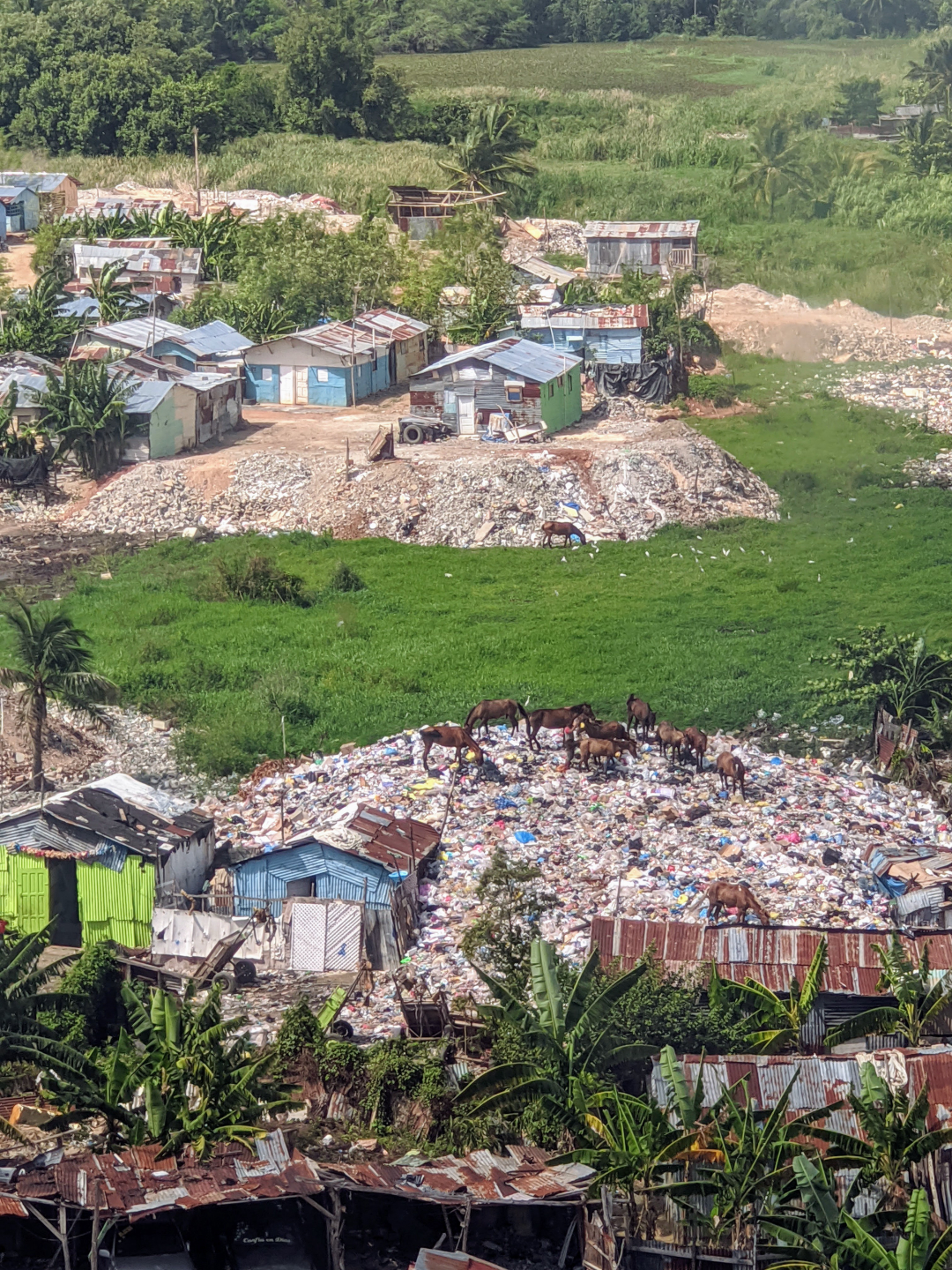


 12Responsible consumption and production


Comments
Log in to add a comment or reply.